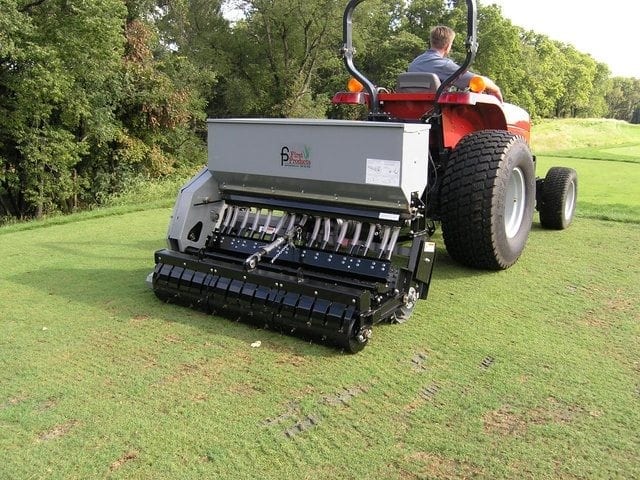
Establishing a uniform stand of grass or cover crops begins with the right combination of agronomy and equipment. For landowners, conservationists, and agricultural professionals, a no till grass seeder offers a reliable way to plant directly into undisturbed soil—preserving structure, minimizing erosion, and improving planting efficiency.
From pasture renovation and rotational cropping to wildlife habitat improvement, no-till drills support a wide range of applications while reducing fuel use, compaction, and field passes. These machines place seed with precision, even through residue, making them well-suited for sustainable, high-efficiency operations where time, inputs, and soil quality all matter.
For best results, performance depends on more than the seeder alone. Success in no-till planting comes from matching machine settings with soil conditions, understanding seed types, and ensuring proper equipment calibration. Tools like the MULTI-drill allow operators to fine-tune depth, spacing, and seed delivery—all critical elements in achieving healthy, uniform emergence.
When properly managed, no-till systems support not just faster planting but also long-term gains in productivity and soil resilience. Operators who fine-tune their no-till approach consistently see better stand establishment and more efficient use of seed and fertilizer inputs.
How a No Till Grass Seeder Works in Modern Field Conditions
A no till grass seeder performs multiple functions in a single pass—cutting through surface residue, opening a narrow trench, accurately placing seed at a targeted depth, and firmly closing the slit to establish soil contact. This efficient sequence allows operators to plant into existing ground cover without disturbing the topsoil, preserving moisture, organic matter, and biological activity.
Unlike conventional drills that depend on full-width tillage or secondary passes, no-till seeders are designed for minimal disruption. Sharp coulters slice through stubble, openers place seed precisely, and press wheels ensure optimal contact for germination. This system reduces erosion risk, saves time, and minimizes fuel use—making it a practical solution for both large-scale farming and smaller, specialized applications like food plots or pasture renovation.
The ability to maintain consistent seed depth and spacing is what sets no-till systems apart in variable terrain or residue-heavy fields. Controlled down pressure and well-calibrated meters are essential to ensuring each seed lands where it can thrive. These features are especially important in operations seeking reduced-labor workflows and multi-season use across diverse field types.
Modular, precision-focused tools like the 1st Products MULTI-drill offer additional flexibility. With interchangeable planting boxes and fertilizer attachments, operators can adapt to different seed types—whether establishing warm-season grasses, cool-season cereals, or blends for cover cropping—without changing implements. This level of configurability is essential for farms prioritizing efficiency, equipment ROI, and long-term soil conservation.
For more on how modern tools are reshaping turf and ag operations, see the insights on equipment-driven efficiency and ROI.
Key Setup Factors for Maximizing Seeding Results
Optimizing a no till grass seeder begins with the right setup. While the equipment handles multiple tasks in one pass, its success depends on detailed adjustments made before entering the field. Every crop species, seed size, and field condition brings its own set of variables. Fine-tuning your drill to accommodate these differences can significantly improve seed-to-soil contact, emergence rates, and final stand density.
1. Down Pressure and Coulter Adjustment
Effective seed slot creation begins with the right balance of down pressure. If pressure is too light, the coulters may ride on top of heavy residue or fail to penetrate compacted soil. If set too high, the opener may compact the seed trench or cause uneven placement. The goal is clean penetration through surface matter without damaging soil structure below the seedbed.
Coulter blades should remain sharp, evenly spaced, and matched to the crop being seeded. Adjustable depth settings and consistent blade maintenance are especially important in fields with variable texture or slope.
2. Seed Metering System Calibration
Metering systems vary in design—gravity feed, fluted roller, and precision air setups each require crop-specific calibration. Seeding rate, seed size, and row spacing should all align with agronomic recommendations and environmental goals. For native grasses or small-seeded legumes, even minor miscalculations in rate or drop speed can lead to gaps or waste.
Drills like the MULTI-drill simplify this process through modular seed boxes and interchangeable meters. Operators can easily shift between seed types or planting goals without reconfiguring their entire implement.
Efficient grass seeding directly contributes to lower input costs and reduced labor hours—principles explored in greater depth in 1st Products’ overview of how a grass seeder can save time and money, where practical strategies for maximizing operational efficiency are outlined.
3. Closing Wheels and Press Systems
Once the seed is placed, closing wheels or press systems ensure the trench is sealed and the seed is in firm contact with the soil—critical factors for moisture absorption and uniform germination. Press wheels should be inspected for wear, alignment, and ground pressure to maintain consistent closure across varying surface conditions.
In dry or crust-prone soils, too much closing pressure can cause surface sealing, while too little may leave the seed exposed. Adjustments should reflect the field’s moisture profile and residue level. In heavier cover or recently harvested fields, ensuring full closure prevents patchy emergence and reduces seed loss to birds or runoff.
Field Preparation Tips for No-Till Seeding Success
While no-till systems are designed to reduce passes and protect soil structure, that doesn’t mean the process is entirely hands-off. Proper field preparation is a critical component of achieving uniform emergence, maximizing seed efficiency, and ensuring machine performance in varying field conditions.
Attention to surface conditions, timing, and field variability directly impacts how well the equipment performs—and how successfully the crop establishes.
Manage Residue Effectively
Modern no-till grass seeders are engineered to cut through residue, but excessive surface material from prior crops or cover can still create problems. Uneven residue distribution may lead to coulter bridging, shallow trenching, or blockage in the opener system. Poor residue management can also interfere with seed drop and slot closure.
Before seeding, ensure residue is uniformly spread from previous harvests and, if necessary, lightly processed to avoid matting. Effective residue handling supports better coulter depth control and reduces the chance of skips or variable emergence.
For those managing food plots or mixed-use fields, 1st Products’ no-till planting guide for hunting food plots highlights how to navigate residue and uneven terrain using purpose-built equipment and tailored seeding strategies.
Consider Soil Moisture Conditions
Moisture levels at planting time can influence everything from seed slot formation to closing system performance. Ideally, soils should be moist but not saturated—wet ground can cause slot smearing and poor closure, while overly dry soil reduces seed-to-soil contact and may inhibit germination.
Field scouting a few days prior to seeding helps ensure conditions are in the optimal window. In no-till systems, where mechanical disturbance is minimal, the correct moisture balance becomes even more critical for uniform emergence.
Monitor Field Slope and Soil Uniformity
Variability in field slope and texture can introduce inconsistencies in seeding depth and placement. On uneven ground, traditional drills may not apply uniform pressure across all rows. Advanced no-till units often include features like hydraulic down pressure or independent row flotation systems to help address these challenges.
For operations working across multiple field types—from rolling pastures to reclaimed cropland—equipment modularity can help. Tools like the C7000 Module Spears or other agriculture accessories allow for rapid adaptation to changing conditions without requiring new implements.
Thorough preparation, even in low-disturbance systems, ensures the seeder operates at peak efficiency and reduces variability that can impact stand uniformity.
Choosing the Right Drill Configuration for Your Operation
No-till systems must perform under a wide range of conditions—from tightly managed pastures and cover crop programs to wildlife habitat restoration and food plot seeding. Every operation has different goals, and those goals shape how a no-till grass seeder should be configured.
Modularity, durability, and precision are not just nice-to-have features—they are essential for meeting productivity targets, minimizing waste, and adapting to seasonally changing field conditions.
Match the Seeder to Seed Type and Use Case
Selecting the right setup starts with the seed itself. Seed size, shape, and planting depth all influence which drill features are needed for consistent emergence and stand establishment.
- Grass Establishment:
Warm- and cool-season grasses require shallow placement and high seed-to-soil contact. Fine-seed boxes, precise coulter control, and well-aligned press wheels are essential. Drills must handle small, light seeds without bouncing or skipping rows. - Cover Crops or Small Grains:
These typically demand higher seeding rates and broader coverage. Larger hoppers, robust coulters, and metering systems capable of handling bulkier seed volumes are recommended. Durable openers are also important when seeding into heavy residue or compacted post-harvest soils. - Food Plot or Wildlife Plantings:
Food plots often involve rotating between species like brassicas, legumes, and cereal grains. Flexibility is critical. Modular seeders like the MULTI-drill support quick changes between seed boxes, allowing operators to switch crops without changing equipment—ideal for landowners managing multiple plots across diverse terrain.
For those looking to streamline field operations, 1st Products’ guide to aeration, seeding, and fertilization equipment breaks down how multi-function tools can combine these processes to maximize efficiency and reduce passes.
Incorporate Fertilizer Application
Pairing seeding with nutrient delivery is one of the most effective ways to reduce field passes and improve early crop performance. Fertilizer promotes stronger root development and helps young plants establish quickly in competitive environments—especially in cover crop or forage systems.
A tractor drill configured for dual-purpose application can include either dry fertilizer hoppers or liquid injection systems, depending on soil condition and input strategy. Integrating both systems into one unit supports consistent coverage, streamlines fieldwork, and ensures balanced nutrient access from day one.
Choosing the right configuration means matching the tool to the job—whether that’s seeding hard-to-reach food plots, renovating established pasture, or introducing diverse species into conservation areas.
Maintaining Long-Term Equipment Performance
A well-built no till grass seeder is a long-term investment—and with the right maintenance strategy, it can deliver consistent performance season after season. Just like any precision tool, regular care ensures planting accuracy, reduces downtime, and extends the life of key components.
Prioritize Routine Inspection and Seasonal Calibration
Before each planting season—or when changing seed types—check calibration settings to ensure accurate seed rate and depth. Even small variations in metering can lead to inconsistent stands or wasted inputs, especially when working with small-seeded grasses or cover crops.
Coulters should be kept sharp and clean to maintain proper soil penetration, particularly in fields with heavy residue or compacted surfaces. Inspect for wear, buildup, or alignment issues, and replace blades as needed to preserve uniform trenching. Press wheels, closing systems, and seed tubes should also be inspected regularly to avoid malfunctions in the field.
Maintain Compatibility Across Modular Components
For modular systems like the MULTI-drill, it’s essential to confirm that all seed boxes, meters, and fertilizer attachments are correctly installed and functioning together. Poor integration between modules can lead to skips, bridging, or inaccurate seed distribution.
When using interchangeable parts, keep mounting points clean and components dry between uses. Secure fasteners and tension settings should be verified before every operation—especially when switching between seed types or operating across varied terrain.
Leverage Support and Service Resources
Equipment reliability depends not just on build quality, but also on access to knowledgeable support and timely parts replacement. With American-made systems backed by 1st Products, users benefit from dealer service, expert guidance, and a full range of services and support resources tailored to long-term operation.
For operators who depend on uptime to stay on schedule—especially during narrow planting windows—responsive service and durable construction make a measurable difference in field success.
Building Stronger Stands with Better Seeding Practices
A successful no-till seeding operation is the result of thoughtful planning, proper equipment setup, and precise in-field execution. Operators who understand their field conditions and calibrate their equipment accordingly are better positioned to achieve consistent emergence, healthier root systems, and stronger overall crop or forage stands.
Whether the goal is to improve soil health through cover crops, enhance wildlife habitat with diverse food plots, or extend the productivity of established pastures, the right no till grass seeder configuration plays a central role in the outcome.
Tools like the 1st Products MULTI-drill provide the flexibility to adapt quickly—accommodating changes in seed type, soil texture, or field layout without sacrificing precision. Modular design, fertilizer integration, and robust construction allow operators to address today’s needs while preparing for tomorrow’s rotations.
As sustainable practices continue to reshape modern fieldwork, no-till systems offer measurable benefits in efficiency, input reduction, and long-term ROI. 1st Products’ insights on modern turf and agricultural equipment further explore how innovation in design and implementation drives productivity across diverse operations. With the right tools and techniques in place, each pass through the field becomes an opportunity to build resilience from the ground up.
{ "@context": "https://schema.org", "@type": "FAQPage", "mainEntity": [ { "@type": "Question", "name": "How does a no till grass seeder work?", "acceptedAnswer": { "@type": "Answer", "text": "A no till grass seeder cuts through residue, opens a seed trench, places the seed at a set depth, and presses the soil back for good seed-to-soil contact—all in one pass. This method allows planting without disturbing topsoil, preserving moisture and organic matter while reducing erosion, fuel use, and field passes." } }, { "@type": "Question", "name": "What are the key setup factors for optimizing a no till drill?", "acceptedAnswer": { "@type": "Answer", "text": "Important setup factors include down pressure and coulter depth, metering system calibration, and proper press wheel adjustment. Matching these settings to seed type and soil condition ensures consistent emergence, strong root development, and efficient seed use." } }, { "@type": "Question", "name": "Can no till drills handle multiple seed types and applications?", "acceptedAnswer": { "@type": "Answer", "text": "Yes. Modular no till drills like the 1st Products MULTI-drill can switch between small seeds (like native grasses) and larger grains or cover crops. Interchangeable boxes and meters allow operators to adapt the equipment for different field goals, such as pasture renovation, wildlife plots, or conservation plantings." } }, { "@type": "Question", "name": "How do I maintain a no till grass seeder for long-term performance?", "acceptedAnswer": { "@type": "Answer", "text": "Routine maintenance includes calibrating seed meters, inspecting and sharpening coulters, and checking press wheels and seed tubes for wear. Modular components should be properly mounted and cleaned between uses. Regular inspections help avoid skips, ensure uniform seeding, and extend the life of the equipment." } } ] }