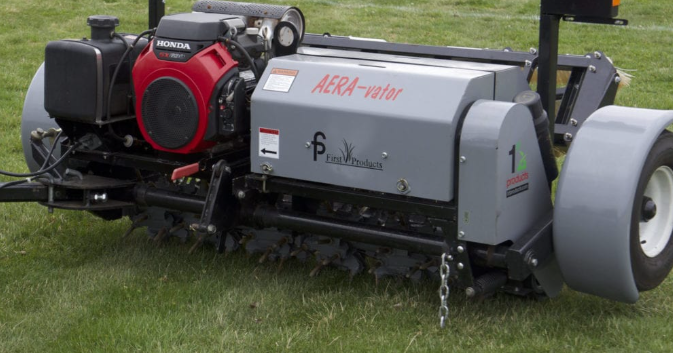
Soil health is often the first thing to decline when cleanup equipment is outdated or too aggressive. What most operators don’t realize is that the right aeration machine can undo years of compaction and restore healthier soil faster than manual methods ever could. If you’re frustrated by compaction and declining turf performance after each cleanup cycle, you’re not alone—and you’re not without options.
The Impact of Cleanup Equipment on Soil Compaction
Many sod farmers and field managers focus on visible debris removal, but overlook how heavy cleanup machinery compresses the soil below. Compaction happens when equipment repeatedly crosses the same paths, pressing the soil particles closer together. This reduces pore space, making it much harder for water, oxygen, and nutrients to reach turf roots.
You’ll notice compaction most clearly as:
- Slower turf regrowth after harvest or field events
- Ruts or uneven spots that remain long after cleanup
- Pooling water or poor drainage in trafficked areas
Soil compaction is widely recognized by the USDA Natural Resources Conservation Service as a factor that restricts root depth, reduces water infiltration, and limits microbial activity. These combined effects can significantly reduce overall field productivity over time. These “hidden cleanup issues” often translate into higher operational expenses, as discussed in our longform analysis of sod cleanup costs.
This keeps the NRCS reference accurate without attaching unverifiable numbers.
| Key Insight: Compaction is not just a surface problem. It impacts the root-zone, where turf health and regrowth potential are determined. |
How Aeration Machines Counteract Compaction and Boost Soil Health
A key factor in soil recovery is restoring the space compacted by machinery. This is where a professional-grade aeration machine makes all the difference. Mechanical aeration—especially using modern, vibratory or core-based systems—creates hundreds of small openings in the soil. These allow oxygen, moisture, and nutrients to reach the root zone, where they’re needed most.
What Is Aeration?
Aeration is the mechanical creation of holes or slits in the soil. This can be done with different types of turf aerators:
- Core aerators: Remove plugs of soil
- Spike aerators: Punch holes without removing soil
- Vibratory aerators: Use vertical vibration to fracture the soil below the surface
Why Aeration Works:
- Increases soil oxygen exchange
- Improves water infiltration
- Breaks up hardpan layers
- Encourages deeper, healthier turf roots
Many sod farmers are noticing better field recovery and improved turf quality when aeration is added directly after harvest or cleanup cycles, rather than as a separate event weeks later.
The Science Behind Vibratory Aeration: AERA-vator’s Edge
Traditional aerators can sometimes cause more surface disruption than desired, especially on fragile or recently harvested fields. The patented vertical vibration system in the AERA-vator offers a unique solution:
- Vertical tines vibrate rapidly: This fractures the soil beneath the surface without tearing up turf or leaving ruts.
- Minimal surface disruption: Fields can be played or worked on immediately after use.
- Deeper oxygen penetration: Encourages stronger root development and faster recovery.
In the field, operators often report that vibratory aeration delivers more consistent results across variable soil types—especially in challenging regions like Alabama and the Carolinas, where clay and sand mixes complicate compaction problems.
| Key Insight: Vibratory aeration breaks up compaction below the surface, not just at the top layer. This is essential for long-term improvement of soil structure. |
Aeration Frequency: How Often Should You Aerate After Cleanup?
One of the most common misconceptions is that aerating once or twice a year is enough—regardless of how often you use heavy cleanup equipment. In reality, the best aeration schedule depends on field usage, soil type, and how aggressively your cleanup equipment impacts the surface.
University Extension resources, such as Clemson Extension, recommend:
- High-traffic or recently harvested fields: Aerate every 4 to 6 weeks during peak use
- Lower-traffic fields: Aerate at least twice per growing season
You’ll get the most benefit by timing your aeration immediately after cleanup or harvest—when the soil is most compacted. This helps your turf recover faster and supports healthier regrowth cycles.
| Industry Insider Tip: Many North Carolina and South Carolina sod growers have cut field recovery times by 20–30% simply by switching to post-cleanup aeration with vibratory equipment. |
Field-Proven Equipment for Soil Improvement: Solutions from 1st Products
If you’re looking to upgrade your approach, matching the right soil improvement equipment to your field needs is essential. Here’s how leading attachments from 1st Products support soil health and reduce long-term costs:
1. AERA-vator Attachment
- Best for: Heavy compaction, post-harvest recovery, sports turf
- How it helps: Vibratory tines fracture soil below the surface; minimal surface disruption
- Learn more: AERA-vator
2. MULTI-drill System
- Best for: Overseeding during aeration, rapid turf establishment
- How it helps: Combines soil aeration with precise seed placement
- Learn more: MULTI-drill system
3. VERTI-cutter
- Best for: Removing thatch and prepping soil for aeration
- How it helps: Cuts through surface material, reducing thatch layers that block water and nutrients
- Learn more: VERTI-cutter
Aeration Machines and Field Recovery After Sod Harvest
Harvesting sod leaves behind exposed, often heavily compacted soil. Quick recovery is essential to keep your fields productive season after season. A modern aeration machine, especially one designed for field-scale use, accelerates this process by:
- Restoring pore space for new root growth
- Allowing faster re-establishment of turf or cover crops
- Reducing the risk of runoff and erosion in bare areas
Field trials in Florida and Alabama have shown that pairing immediate post-harvest aeration with overseeding (using a tool like the MULTI-drill system) can speed up field recovery and improve overall stand quality.
Addressing Common Myths: Aeration and Soil Health
Let’s clear up several misconceptions that hold back field performance:
Myth 1: Cleanup Equipment and Aeration Are Unrelated
In reality, every pass of cleanup equipment compacts the soil a bit more. Aeration is the only proven way to reverse this effect and restore optimal soil structure.
Myth 2: Aeration Machines Are All the Same
Not all aerators work the same way. Vibratory systems like the AERA-vator are designed specifically to reach deeper layers without damaging the surface—critical for sports fields, sod farms, and municipal parks.
Myth 3: You Only Need to Aerate Once a Year
Field use, soil type, and cleanup frequency all affect how often you should aerate. Most commercial turf managers benefit from more frequent, targeted aeration—especially after major cleanup cycles.
FAQs: Soil Health, Compaction, and Aeration Machines
1. How does soil compaction from cleanup equipment affect turf regrowth?
Compaction squeezes vital pore space out of the soil, making it harder for roots to access air and water. This slows regrowth and can lead to patchy, unhealthy turf. Over time, repeated passes with heavy equipment can create a dense layer that roots struggle to penetrate.
2. What’s the difference between core aeration and vibratory aeration?
Core aeration removes soil plugs, creating open channels for air and water. Vibratory aeration uses rapidly moving tines to fracture the soil beneath the surface without leaving holes or plugs. Vibratory aerators, such as the AERA-vator, are ideal for minimizing surface disruption while still achieving deep compaction.
3. How do I know when my field needs aeration?
Look for signs like standing water, spongy or hard spots, reduced turf vigor, or visible ruts after cleanup. If your field is heavily used or recently harvested, it’s a good idea to schedule aeration soon after to support a quick recovery.
4. Can aeration really save money on labor and long-term field maintenance?
Yes. By reducing compaction and improving soil structure, aeration machines reduce the manual labor required for soil repair and turf reestablishment. Healthier soil also means less need for fertilizers and other inputs, lowering your overall costs.
5. How does 1st Products equipment compare to traditional options?
1st Products designs its equipment specifically for turf and agricultural performance, featuring patented features such as vertical vibration for deeper, more effective soil improvement. Their attachments are built for durability, versatility, and minimal field downtime—making them a smart investment for any operation focused on long-term soil health.
Integrating Aeration into Your Field Management Plan
For sod farmers, sports turf managers, and municipal field supervisors across Alabama, Florida, the Carolinas, and beyond, maintaining soil health is a long-term investment. Adding a modern aeration machine to your cleanup and recovery process is one of the fastest, most effective ways to:
- Reduce compaction from heavy equipment
- Improve turf regrowth rates
- Support healthy root systems
- Lower maintenance and repair costs
If you’re ready to rethink your field management strategy, don’t miss our expert breakdown of the cost of sod cleanup and check out these additional resources:
- How Sod Cleanup Is Evolving
- Rethinking Sod Farm Labor
Maintaining healthy soil isn’t just a seasonal task. It is the foundation of consistent turf quality, predictable harvest cycles, and long-term profitability for sod farms and turf operations across the US. When cleanup equipment compacts the soil, the right aeration machine becomes more than a maintenance tool. It becomes the fastest way to restore pore space, revive root development, and protect the productivity of every acre you manage. If you’re ready to strengthen your field management strategy and build healthier soil with less labor and downtime, request a custom quote from 1st Products. Our team will help you match the right aeration solution to your acreage, soil conditions, and recovery goals so you can move into your next harvest cycle with confidence.