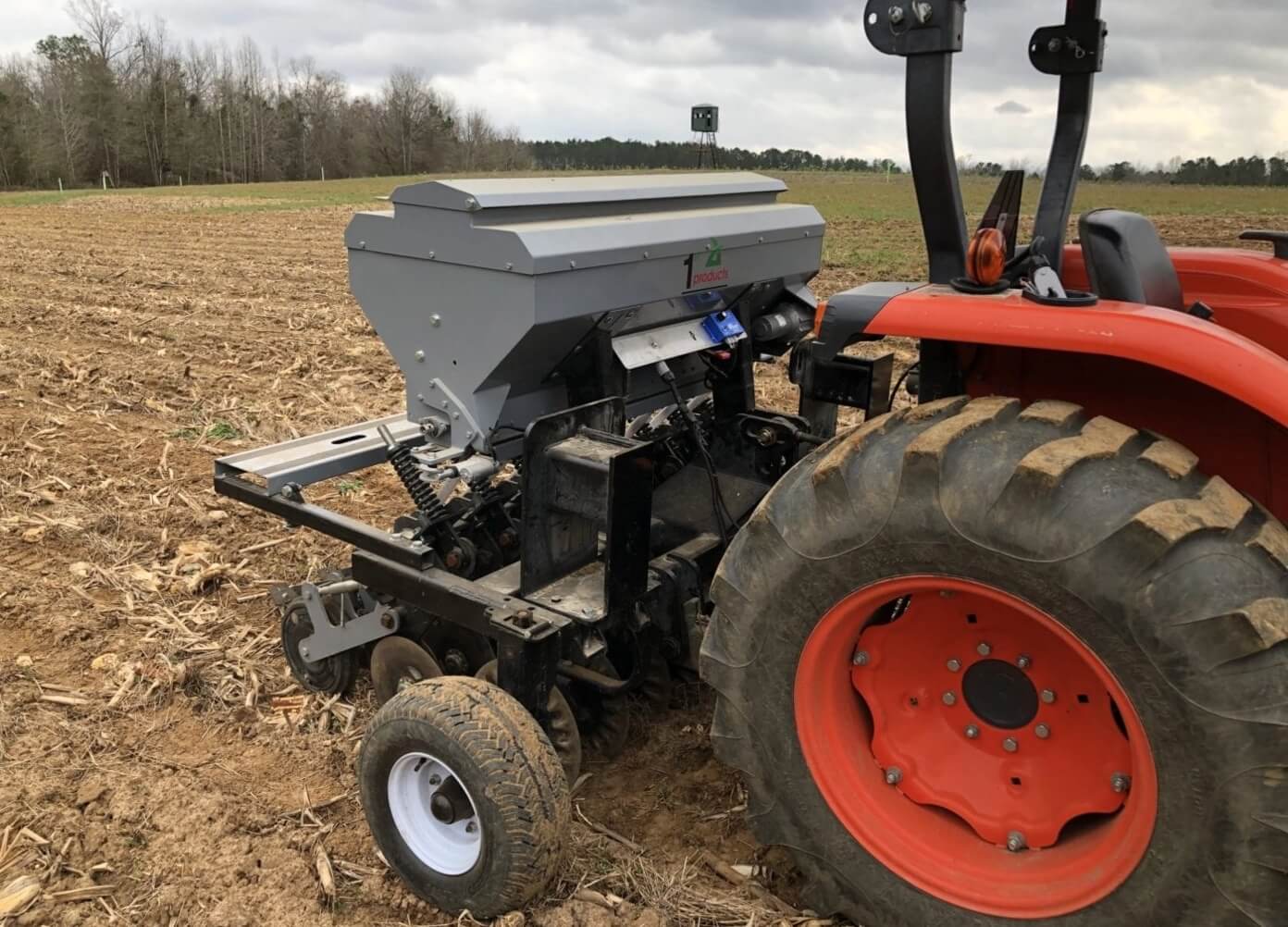
For farmers and land managers serious about soil health, cover crop planting has shifted from a fringe practice to a core part of a competitive operation. In 2026, rising input costs, increasing drought pressure, and tightening margins are pushing more growers to get their cover crop programs right. The method you choose for getting seed in the ground makes all the difference, and no-till drilling remains the gold standard for consistent establishment, minimal disturbance, and long-term soil gains.
Why Cover Crop Planting with a No-Till Drill Outperforms Other Methods
When it comes to cover crop planting, you have options: aerial seeding, broadcast spreading, and row crop planters. But the no-till drill consistently delivers the most reliable results across soil types and species. The reason is simple: seed-to-soil contact. A no-till drill uses disc openers to slice through surface residue, places the seed at a precise depth, and closes the furrow with a press wheel. That mechanical consistency is something broadcast seeding cannot replicate.
Beyond establishment rates, no-till drilling protects what you have already built in your soil. Leaving the soil structure intact preserves the fungal networks, aggregate stability, and organic matter that make your ground more productive year after year. Research from Ohio State University reinforces that maintaining continuous living cover through no-till methods significantly improves ecosystem functionality and root zone microbial activity, benefits that compound over time.
Broadcasting into residue can work under ideal moisture conditions, but for a farmer who needs a stand to perform, no-till cover crop seeding with a properly set drill is the most dependable path forward.
Drill Preparation: The Step Most Growers Skip Before Cover Crop Seeding
The number one reason cover crop planting fails is not timing or species selection. It is a poorly prepared drill. Before you ever load the seed box, the machine needs a thorough inspection.
Start by cleaning the drill completely. Spider webs and old seed residue are notorious for clogging drop tubes, and a clogged tube means missing rows you will not discover until it is too late. Use an air compressor to clear each tube individually and a flexible wire to confirm full passage. Check that all seed tubes are dry before loading, because even morning dew can cause small seeds like clover or brassicas to clump inside the tubes and bridge across the metering mechanism.
Next, inspect the opener discs. Worn or misaligned discs cut uneven furrows and lead to inconsistent depth across the width of the drill. All opening wheels should penetrate to the same depth. If you cannot confirm that with a visual check, use a pocketknife to open the furrow after the first few passes and measure seed placement directly.
Tire pressure matters more than most operators realize. Low or uneven tire pressure changes the effective weight distribution on the frame, which alters disc penetration across the machine. Check it every time before you go to the field.
Finally, verify the drive mechanism is functioning correctly. The University of Georgia Extension’s drill calibration guide recommends collecting and weighing seed from all tubes simultaneously during calibration, not just one or two, since metering units can vary significantly from one position to the next.
Cover Crop Planting Depth and Seeding Rate: Getting the Numbers Right
Seeding depth is the most common technical mistake in no-till cover crop planting. Most operators set their drill too deep, especially when working with small-seeded species. Legumes like crimson clover and brassicas like radishes should typically be planted at 1/4 to 1/2 inch. Cereal rye and annual ryegrass can handle 1/2 to 1-1/2 inches, depending on soil moisture. Large-seeded species like oats or cowpeas go deeper, in the 1 to 2 inch range.
A practical rule used by experienced no-tillers: after your first pass, walk the field and check whether you can see a small percentage of seed on the surface. For clovers and grasses, seeing 5 to 10 percent of seed at or just below the surface is a sign your depth is right. If you find zero seed visible, you are probably running too deep for those species.
For mixed-species cover crop planting, which is increasingly common in 2026 as growers pursue biodiversity and multi-functional soil benefits, the large and small seed boxes on your drill serve a critical purpose. Use the main box for larger seeds like grains, and the small seed box for fine-seeded legumes and brassicas. The Southern Cover Crops Council recommends calibrating each box independently, since seed size variation within a species from lot to lot can significantly shift the actual seeding rate versus what the chart suggests.
When it comes to seeding rates, it’s better to err on the conservative side rather than seeding too heavily. Overseeding creates unnecessarily thick stands that compete aggressively with the following cash crop and complicate termination timing in spring.
Best Cover Crops for No-Till Drilling in 2026
Species selection for cover crop planting depends on your goals, your cash crop rotation, and your region. A few species and mixes are proving their value across a wide range of no-till systems heading into 2026.
Cereal Rye is the workhorse of no-till cover crop planting. It establishes in cold soils, suppresses weeds aggressively, and is one of the easiest species to terminate. For corn ground, plan to terminate 3 to 4 weeks ahead of planting to manage the carbon-to-nitrogen ratio. For soybeans, rye can even be drilled into standing cover, and its residue mats help suppress waterhemp and other broadleaves.
Annual Ryegrass provides strong rooting, excellent nitrogen scavenging, and meaningful soil structure benefits. It requires careful management before cash crop planting, as it can become competitive if allowed to go to seed.
Crimson Clover and Hairy Vetch add nitrogen fixation to the mix and are excellent companions for grasses in a no-till cover crops program. Both require the small seed box and shallow placement to establish well.
Multi-species mixes of 4 to 8 species are gaining traction because they hedge against species-specific establishment failures and deliver a broader range of soil health benefits across the canopy and root zone simultaneously.
Common Cover Crop Planting Mistakes That Cost You Stands
Even experienced no-tillers run into repeatable problems. Knowing what to watch for before the season starts is one of the most valuable things you can do for your cover crop program.
Planting too late. The single biggest driver of poor stands is missing the establishment window. In most regions, covers need 4 to 6 weeks of active growth before a hard killing frost. Following the combine with the cover crop drill, rather than waiting, is the practice that separates strong stands from thin ones.
Ignoring soil moisture. Drilling into bone-dry or overly wet soils creates problems. Dry conditions make it hard to close furrows properly. Saturated soils smear around the disc and prevent uniform depth.
Skipping calibration. Charts are starting points. Seed size, seed lot, and ambient humidity all affect actual delivery rate. Always calibrate against actual seed from your bags before entering the field.
Leaving seed in the drill overnight. Dew accumulation is enough to cause seed clumping in the tubes and metering units. Empty the drill at the end of each day to protect your seed and your next planting pass.
Choosing the Right Cover Crop Drill for Your No-Till Operation
The equipment you run shapes everything downstream. A precision no-till drill designed for accurate depth control, consistent seed metering, and residue-cutting performance removes the variables that cause inconsistent stands.
The 1st Products MULTI-drill is purpose-built for exactly this kind of work, from food plots to working pastures to cover crop establishment on production acres. It uses a variable-speed electric drive for precise, slip-free seed metering across all seed types and sizes, disc openers to cut cleanly through residue, and closing wheels to ensure firm seed-to-soil contact at every opener. The optional auxiliary seed box lets you run mixed-species cover crop planting in a single pass, placing large and small seeds at independent rates without stopping to reconfigure.
Whether you are managing a few acres of wildlife ground or running a larger production operation, the full line of 1st Products agricultural equipment offers configurations that scale to your acreage and tractor size. If you are still deciding between a no-till setup and a conventional drill for your specific conditions, the 1st Products guide to no-till vs. conventional drills is worth reviewing before you commit.
Make 2026 Your Best Cover Crop Planting Season Yet
Effective cover crop planting comes down to preparation, precision, and the right equipment. Clean and calibrate your drill before the season, match species selection to your rotation goals, dial in seeding depth for each species in your mix, and get seed in the ground before your establishment window closes.
The farmers who build strong cover crop programs in 2026 will not be doing anything exotic. They will be executing the fundamentals better than everyone else, with equipment that delivers consistent results pass after pass.
Ready to upgrade your cover crop seeding setup? Request a free MULTI-drill quote and find the right configuration for your operation.
1st Products manufactures professional-grade turf and agriculture equipment in the USA. The MULTI-drill ND Series is available in multiple configurations for food plots, pastures, and production farming.