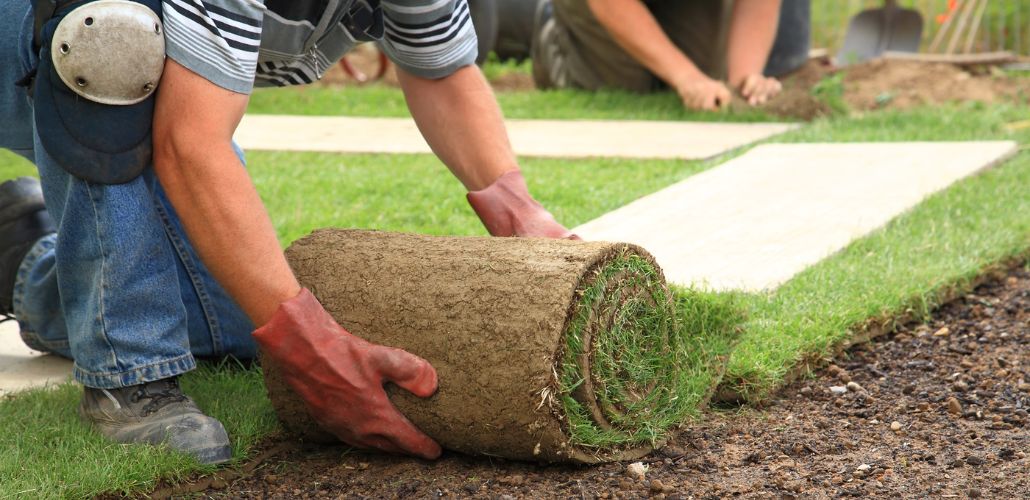
Every week you spend more hours cleaning up a field than harvesting it, your bottom line shrinks. The problem isn’t always labor or speed. It’s the hidden inefficiencies in your cleanup process that can cost thousands before you even notice.
Field cleanup efficiency isn’t just about how quickly you push debris off a sod field. It’s about reducing wasted time, curbing rising labor costs, and keeping your operation on pace with modern harvest demands. For many sod farms and turf operations, small inefficiencies in the cleanup cycle quietly drain revenue—often without a clear warning until margins are already tight. This checklist will help you identify five warning signs that your field cleanup workflow is slowing production and hurting profits, plus show you how to address them before your next harvest.
Sign 1 — Your Cleanup Takes Multiple Passes to Finish
In most sod operations, the hidden time sink is multi-pass cleanup. If your team routinely circles a field two, three, or even four times just to clear scrap sod and debris, your field cleanup efficiency is already compromised. Each extra pass eats into fuel budgets, extends labor hours, and adds wear to equipment.
Why Multiple Passes Increase Labor Costs
Every time your tractor traverses the same ground, you’re doubling or tripling the labor needed for one cleanup cycle. That’s extra operator fatigue, more hours on payroll, and a spike in fuel and maintenance costs. USDA reports consistently point to labor as one of the highest expenses for commercial farms, and repeated cleanup passes only amplify this burden.
How Multi-Pass Cleanup Impacts Harvest Timing
When cleanup drags out, it directly delays your next harvest or planting. Sod scraps left after the first pass create ridges and uneven surfaces, so fields need reworking before they’re ready for the next cycle.
Many modern operations now aim for “single-pass cleanup”—using equipment that can pick up, collect, and remove sod scraps in one continuous movement. The Sod Scrap Harvester is engineered specifically for this, helping reduce the cleanup window and labor load in commercial sod fields.
Sign 2 — Scrap Sod Builds Up Faster Than You Can Remove It
A closer look at your cleanup cycle reveals that unmanaged scrap sod is more than an eyesore—it’s a primary cause of downtime and regrowth problems. When scrap piles outpace your crew’s ability to remove them, you’re left with uneven ground, ridges, and debris that block the next round of planting.
The Hidden Cost of Scrap Sod Piles
Scrap sod accumulation doesn’t just make fields look messy. It creates physical obstacles that slow down tractors, damage new turf, and force operators to backtrack. This results in longer field prep time, fewer acres harvested each week, and increased labor inefficiency.
Why Traditional Tools Fall Behind
Manual raking and outdated debris removal tools simply can’t keep pace with the output of modern sod harvesters. By the time one area is cleared, another is already piling up. The result is a never-ending cycle of catch-up rather than proactive cleanup. This isn’t just a nuisance; it’s a central bottleneck in field cleanup efficiency and a silent profit leak.
For operations asking how to adapt to cleanup changes in the industry, investing in equipment that manages scrap in real time is the only sustainable answer.
| Key Insight: Why scrap buildup slows down every part of your operation Scrap sod left behind isn’t just a surface issue. It increases soil disturbance, leads to costly rework, and extends cleanup passes—directly affecting how fast you can replant or harvest the next round. |
Sign 3 — Labor Hours Spike During Every Cleanup Cycle
Many sod farms in the Southeast report that cleanup now consumes more man-hours than harvesting itself—especially during labor shortages or peak seasons. If your payroll spikes every time a field needs cleaning, you’re not alone.
Why Cleanup Drains Labor Resources
Manual cleanup is labor-intensive. Whether it’s hand-raking, using multiple tractors, or making repeat runs, each step adds to the total hours your crew spends on a single field. This drains your labor pool and limits your ability to reassign workers where they’re most needed.
How Mechanized Scrap Removal Cuts Hours
Operators who’ve switched to mechanized tools like the MULTI-drill or AERA-vator for other turf tasks have already seen how automation reduces fatigue and streamlines workflow. The same principle applies to cleanup: the Sod Scrap Harvester can replace multiple manual passes with a single pass, slashing operator hours and freeing crew for higher-value work.
If you’re struggling with crew fatigue or worried about rising wages, revisit your cleanup workflow. Addressing labor bottlenecks now will pay off in every future harvest.
Sign 4 — Equipment Downtime Keeps Slowing the Process
If your cleanup equipment is constantly breaking down, clogging, or jamming, you’re paying twice: once in lost time and again in repair bills. Many operations stick with older tools, thinking it saves money, but frequent downtime often costs more in the long run.
The Real Cost of Cleanup Equipment Downtime
Downtime extends your cleanup window, delays the next harvest, and can force your team to use backup machines that aren’t up to the task. Even short delays add up when multiplied across dozens of fields during a busy season.
Why Outdated Tools Can’t Keep Up
Older rakes, sweepers, and debris collectors weren’t designed for today’s sod volumes. They clog with mud, wear out quickly, and often require more maintenance than modern, purpose-built machines like the VERTI-cutter or AERA-vator. This constant cycle of repair and replacement stalls your entire operation and frustrates even the most experienced crew.
Sign 5 — You Can’t Keep Up With Harvest Speed
Today’s sod harvesters are faster and more efficient than ever. But if your cleanup crew can’t match that pace, you’re creating a bottleneck that slows the entire production line. The distance between the harvester and the cleanup machine can mean the difference between a profitable week and a missed opportunity.
Why Cleanup Must Match Harvesting Speed
Efficient debris removal isn’t just about neat fields—it’s about keeping up with the accelerated pace of modern harvest cycles. If sod scraps pile up, harvesters may need to pause or reroute, costing you valuable production time and risking missed delivery windows.
How Scrap Delays Slow the Entire Cycle
Cleanup lag creates a snowball effect: more debris, more labor, more downtime. One delayed field can throw off your entire week’s schedule. That’s why many high-volume sod farms now rely on the Sod Scrap Harvester to synchronize cleanup with harvest speed—removing scrap in real-time and streamlining the workflow.
| Key Insight: Why cleanup speed must match harvest speed When your cleanup operation lags behind harvesting, you risk more than just idle equipment—you face field bottlenecks, delivery delays, and lost revenue with every cycle. |
How to Improve Field Cleanup Efficiency Immediately
Field cleanup efficiency starts with eliminating bottlenecks and investing in the right tools. Here’s how to make immediate improvements that pay off in every harvest cycle:
Start With Reducing Cleanup Passes
The most effective way to improve efficiency is by reducing the number of cleanup passes. Fewer passes mean less fuel, lower labor costs, and minimal soil disturbance. Equip your team with tools designed for single-pass operation.
Focus on Scrap Removal First
Prioritize equipment that quickly collects and removes sod scraps. Traditional rakes and sweepers can’t keep up with modern harvest volumes. Upgrading to purpose-built solutions, like the VERTI-cutter, ensures your fields stay level and ready for regrowth.
Equip Your Crew With Better Tools
Mechanized tools such as the MULTI-drill streamline both cleanup and soil prep, keeping your fields in peak condition and cutting turnaround time between cycles. Invest in durable machines that handle debris efficiently and require minimal maintenance.
For those seeking to boost both turf and soil health cleanup, upgrading equipment isn’t just a cost—it’s a strategic move for long-term field performance.
Choosing the Right Equipment to Clean Your Fields Faster
When it comes to maximizing field cleanup efficiency, the Sod Scrap Harvester stands out as the most complete solution for commercial sod farms and turf producers.
Why the Sod Scrap Harvester Saves Time
Designed for high-volume operations, the Sod Scrap Harvester picks up, collects, and removes sod scraps in one seamless motion. It’s built to handle the debris left by modern harvesters, meaning you spend less time circling fields and more time preparing for the next cycle.
Single-Pass Cleanup Explained
With true single-pass capability, this machine eliminates the need for multiple tractors and an extra crew. It’s engineered to prevent clogging, minimize soil disturbance, and keep up with today’s harvesters—making it an essential upgrade for anyone struggling with multi-pass cleanup or labor shortages.
Designed for High-Volume Sod Farms
From Alabama sod farms to Florida turf operations and beyond, commercial producers trust 1st Products for equipment that’s durable, innovative, and proven in the field. The Sod Scrap Harvester delivers fast, efficient debris removal—helping you reclaim lost hours and protect your bottom line.
Frequently Asked Questions
What causes slow field cleanup on sod farms?
Slow field cleanup is usually caused by outdated equipment, labor-intensive manual processes, and scrap sod accumulating faster than it’s removed. Debris interference and repeated equipment passes also contribute to bottlenecks in the field cleanup cycle. Upgrading to modern machinery is essential for improving field cleanup efficiency.
How can I reduce the number of passes needed to clean a field?
To reduce cleanup passes, invest in equipment specifically designed for single-pass operation. Machines like the Sod Scrap Harvester collect and remove debris in one go, eliminating the need for manual rework or multiple tractor trips. Streamlining the cleanup process also reduces soil disturbance and labor requirements.
Does field cleanup efficiency really affect profitability?
Yes, field cleanup efficiency is a major factor in farm profitability. Inefficient cleanup leads to more fuel usage, higher labor costs, and delays in planting or harvesting the next crop. These hidden costs quickly add up, cutting deeply into margins.
What equipment helps with faster scrap sod removal?
Modern machines like the Sod Scrap Harvester are designed for efficient debris collection and sod scrap removal. Other tools, such as the VERTI-cutter and MULTI-drill, also support efficient field prep and cleanup, reducing manual labor and turnaround time.
How does the Sod Scrap Harvester improve cleanup speed?
The Sod Scrap Harvester improves cleanup speed by collecting, lifting, and removing sod scraps in a single continuous process. This reduces the need for multiple passes, cuts labor hours, and synchronizes cleanup with modern harvesting equipment—making it a top choice for sod field efficiency.
Field Cleanup Efficiency
If you recognize any of these five signs—multiple cleanup passes, scrap buildup, soaring labor hours, frequent equipment downtime, or an inability to match harvest speed—it’s time to address your field cleanup efficiency head-on. Each warning sign is a silent drain on profit, labor, and long-term field health.
Ready to clean your fields faster, cut labor hours, and reclaim lost profit?