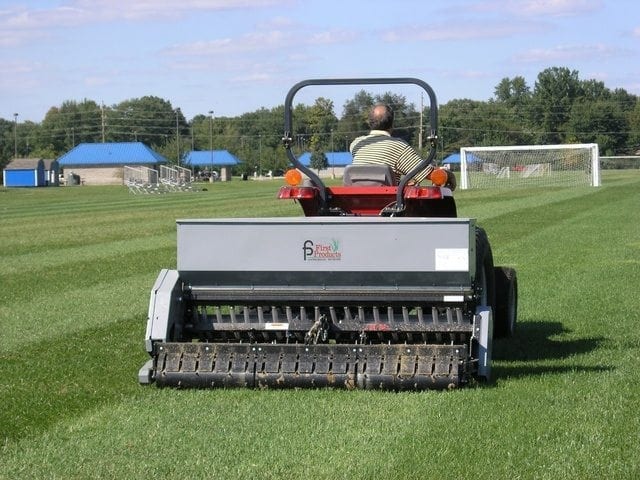
Professional turf managers are under increasing pressure to deliver exceptional results while working within tight budgets and meeting sustainability goals. Lawns that appear worn, require growing amounts of water and fertilizer, or are prone to disease and pests are prime candidates for overseeding. A lawn overseeder offers a precise, efficient solution that addresses these challenges, transforming how professionals approach turf renovation and maintenance.
Unlike traditional seeding methods that scatter seed across the surface, overseeding plants grass seed directly into existing turf without tearing up the lawn or disturbing the soil. This precision approach delivers consistent results that broadcast seeding cannot match, making it an essential tool for golf course superintendents, groundskeepers, and turf professionals who demand reliable outcomes.
Understanding How Lawn Overseeders Work
A lawn overseeder is a specialized piece of equipment designed to introduce grass seed into existing turf or bare soil with precision. These machines combine vertical cutting action with accurate seed metering to create ideal conditions for germination.
The process starts with vertical blades that cut narrow grooves in the soil surface. Slit seeders, which combine the functions of a vertical slicer or dethatcher with a seeder, drop seeds directly into these slits and cover them. This ensures direct seed-to-soil contact, which is essential for strong germination and establishment.
Professional overseeders are available in multiple configurations, from compact walk-behind models for small or detailed areas to robust tractor-mounted units for large acreage. Self-propelled models offer a versatile option for mid-sized spaces, delivering maneuverability and efficiency without requiring additional tractor equipment. Explore the complete range of seeding and turf equipment at 1st Products Agriculture Wholegoods.
Key Benefits of Professional Overseeding Equipment
Enhanced Turf Density and Health
Using a lawn overseeder promotes thicker turf growth, improved color, and greater resilience to disease and drought. The precision placement achieved by professional overseeders creates uniform grass density that broadcast methods cannot match. Research from turf science programs shows that lawns with proper overseeding have 35–50% more grass blades per square inch, resulting in visibly thicker, more durable turf.
This increased density benefits more than appearance. Dense turf helps prevent weed establishment by minimizing open soil space. Professional turf managers often see reduced weed pressure when following consistent overseeding schedules, which decreases the need for herbicide applications.
Water and Resource Efficiency
Modern overseeding equipment improves resource efficiency by optimizing seed-to-soil contact and root development. Once established, properly overseeded lawns can require significantly less water, a key advantage for large-scale turf management. Precise seed placement also allows for lower seeding rates without sacrificing results, reducing waste and maximizing germination. Learn more about precision seeding benefits in our guide on how tractor drill attachments improve seeding and aeration efficiency.
Disease and Pest Resistance
Overseeding with improved grass varieties enhances disease and drought tolerance across the turf. Professional overseeders enable turf managers to introduce disease-resistant cultivars without a full renovation, gradually strengthening the genetic makeup of existing turf.
Thicker turf naturally limits the spread of lawn diseases by creating a physical barrier to pathogen movement. This natural resistance reduces the need for chemical treatments and supports long-term turf health.
Choosing the Right Overseeder for Professional Applications
Size and Configuration Considerations
Selecting the right overseeder depends on the size and type of property. For small to mid-sized lawns or flat areas, a lighter walk-behind overseeder offers easy maneuverability and control. Larger properties, sports complexes, and golf courses benefit from self-propelled or tractor-mounted models that can cover extensive areas efficiently while maintaining consistent seed placement.
Precision Features and Technology
High-precision metering systems are essential for consistent seed delivery across varied terrain. Look for features such as adjustable depth control, variable seed rates, and straightforward calibration systems. An overseeder with a floating seed box maintains even seed placement on uneven ground, ensuring uniform results across the entire project area.
Serviceability and Support
Equipment designed for easy maintenance—with accessible service points, simple part replacement, and clear calibration instructions—helps reduce downtime and training requirements. 1st Products is recognized for equipment reliability and straightforward service solutions.
Working with a manufacturer that has an established dealer network is equally important. This ensures parts and service are readily available during critical planting windows. Use our tool to connect with trusted local partners who can help you choose and maintain the right overseeder for your operation.
Optimizing Overseeding Results
Timing and Seasonal Considerations
Late summer to early fall is typically the best time to use a lawn overseeder. Soil and air temperatures during this period promote optimal seed germination and early growth. With adequate moisture, dry fertilizer, and sunlight, new seedlings establish before cooler weather sets in.
Professional turf managers should also align overseeding schedules with grass type and local climate. For cool-season grasses, overseeding in late summer allows roots to develop before winter dormancy, resulting in stronger growth the following spring.
Site Preparation and Maintenance
Preparation is critical for successful overseeding. Mow the existing turf to a lower height than usual and remove debris or thatch to ensure seeds make direct soil contact. For thinning or bare patches, many professionals dethatch and overseed in a single operation, which improves penetration and root establishment.
Seed Selection and Application Rates
Match grass species to the site’s intended use and climate conditions, whether overseeding Bermuda for athletic fields or planting native blends for habitat areas. Professional operations often consult local extension services or seed suppliers to identify the most suitable varieties.
Modern overseeding equipment supports precise calibration of application rates and can integrate liquid fertilizer to improve early establishment. By placing seed directly into the soil, slit seeders enhance seed-to-soil contact and germination compared to broadcast methods, reducing waste and maximizing results.
Economic Impact and Return on Investment
Cost-Effectiveness Compared to Alternatives
Overseeding is a cost-effective alternative to full turf replacement, providing comparable visual and performance improvements with far less disruption. When performed regularly with a professional lawn overseeder, the benefits last longer and reduce the need for more intensive renovation projects.
High-quality overseeders are an investment in long-term productivity. While the initial purchase may be higher than smaller consumer models, professional-grade equipment delivers better seed utilization, faster coverage, and reduced maintenance requirements over time.
Long-Term Maintenance Reduction
Consistent overseeding helps maintain turf density, which reduces water usage, minimizes disease outbreaks, and lowers fertilizer requirements. By improving turf health, overseeding also lessens the need for chemical treatments and labor-intensive repairs.
Improved aesthetics add measurable value to properties, attracting clientele and supporting the professional image of golf courses, athletic facilities, and commercial landscapes.
Integration with Modern Turf Management
Professional overseeding equipment integrates seamlessly into comprehensive turf care programs. Annual or biennial overseeding helps maintain turf density and health, though the frequency should match site conditions, usage, and climate factors.
The modular approach offered by 1st Products allows turf managers to adapt one machine for multiple purposes throughout the season. By pairing overseeding units with specialized agriculture accessories, professionals can handle initial seeding, seasonal maintenance, and targeted applications with the same platform.
Advanced overseeding equipment supports sustainable turf management by reducing chemical inputs, conserving water, and improving soil health. This eco-friendly method works with natural processes to maintain strong, healthy turf.
The principles of precision agriculture—accurate seed placement, controlled depth, and uniform spacing—apply directly to professional turf management. This shift from conventional methods ensures consistent results and long-term performance.
Turf managers who embrace overseeding technology position themselves at the forefront of industry best practices. The result is a lawn that responds better to mowing, fertilizing, and watering while increasing overall property value.
For those ready to elevate their turf programs, investing in professional-grade overseeding equipment delivers measurable improvements in turf quality, operational efficiency, and client satisfaction. Contact us today to learn more.
Frequently Asked Questions
What makes professional overseeding equipment different from consumer models?
Professional lawn overseeders are built for continuous, large-scale operation. They feature durable construction, precise seed metering systems, and higher-capacity hoppers compared to consumer-grade models. Commercial equipment can integrate tools like dethatchers, power rakes, and slit seeders to complete jobs more quickly and accurately than basic rakes or handheld spreaders. They also offer better serviceability and parts support for professional turf operations.
How often should professional facilities overseed their turf?
Annual or biennial overseeding is typically recommended to maintain turf density and health. The ideal frequency depends on turf condition, usage levels, environmental factors, and maintenance goals. High-traffic areas such as sports fields often benefit from annual overseeding, while lower-use spaces can maintain quality with biennial schedules.
Can overseeding equipment handle different grass types and seed sizes?
Yes. Modern professional overseeders accommodate a wide range of grass types and seed sizes through adjustable metering systems and interchangeable components. Many models include two seed boxes: a front micro-metered box for small seeds such as alfalfa and a rear agitator box for larger seeds like ryegrass or brome grass. This versatility allows turf managers to work with various species and custom seed blends.
{ "@context": "https://schema.org", "@type": "FAQPage", "mainEntity": [ { "@type": "Question", "name": "What makes professional overseeding equipment different from consumer models?", "acceptedAnswer": { "@type": "Answer", "text": "Professional lawn overseeders are engineered for high-capacity, continuous use. They offer features such as precision seed metering, larger hoppers, and durable components for commercial operations. These machines often integrate dethatching and slit seeding capabilities, resulting in faster, more effective turf renovation than consumer-grade tools like handheld spreaders or rakes." } }, { "@type": "Question", "name": "How often should professional facilities overseed their turf?", "acceptedAnswer": { "@type": "Answer", "text": "Overseeding should be done annually or biennially, depending on turf usage and condition. High-traffic areas like athletic fields often benefit from yearly overseeding to maintain density and resilience, while lower-use properties may only need it every two years." } }, { "@type": "Question", "name": "Can overseeding equipment handle different grass types and seed sizes?", "acceptedAnswer": { "@type": "Answer", "text": "Yes. Modern overseeders are designed with adjustable metering systems and interchangeable seed boxes to accommodate a wide range of seed sizes and grass types. Some models include separate boxes for fine seeds like alfalfa and larger seeds like ryegrass, offering flexibility for various turf management goals." } } ] }