Soil compaction is a common issue affecting both productivity and plant health—but choosing the right aeration method makes all the difference. At 1st Products, we specialize in innovative turf and agricultural equipment designed to solve these exact challenges with patented tools that improve efficiency and deliver long-lasting results.
What is soil compaction and why does it matter?
Soil compaction is one of the most significant yet overlooked challenges affecting both agricultural productivity and turf health. When soil particles are pressed together, the vital pore spaces that allow air, water, and nutrients to move become restricted. This compression causes a cascade of problems: reduced root growth, decreased water infiltration, increased runoff, and stunted plant development.
The effects can be especially severe in high-traffic areas like athletic fields, golf courses, and heavily used agricultural land. Compacted soils can reduce water infiltration by up to 90% compared to properly aerated soil.
Before choosing between spike and plug aeration, understand that not all compaction issues are the same. The severity, depth, and cause of compaction should guide your equipment choice—something 1st Products’ turf and agriculture lines are designed to accommodate with precision.
How do spike aerators work and what are their benefits?
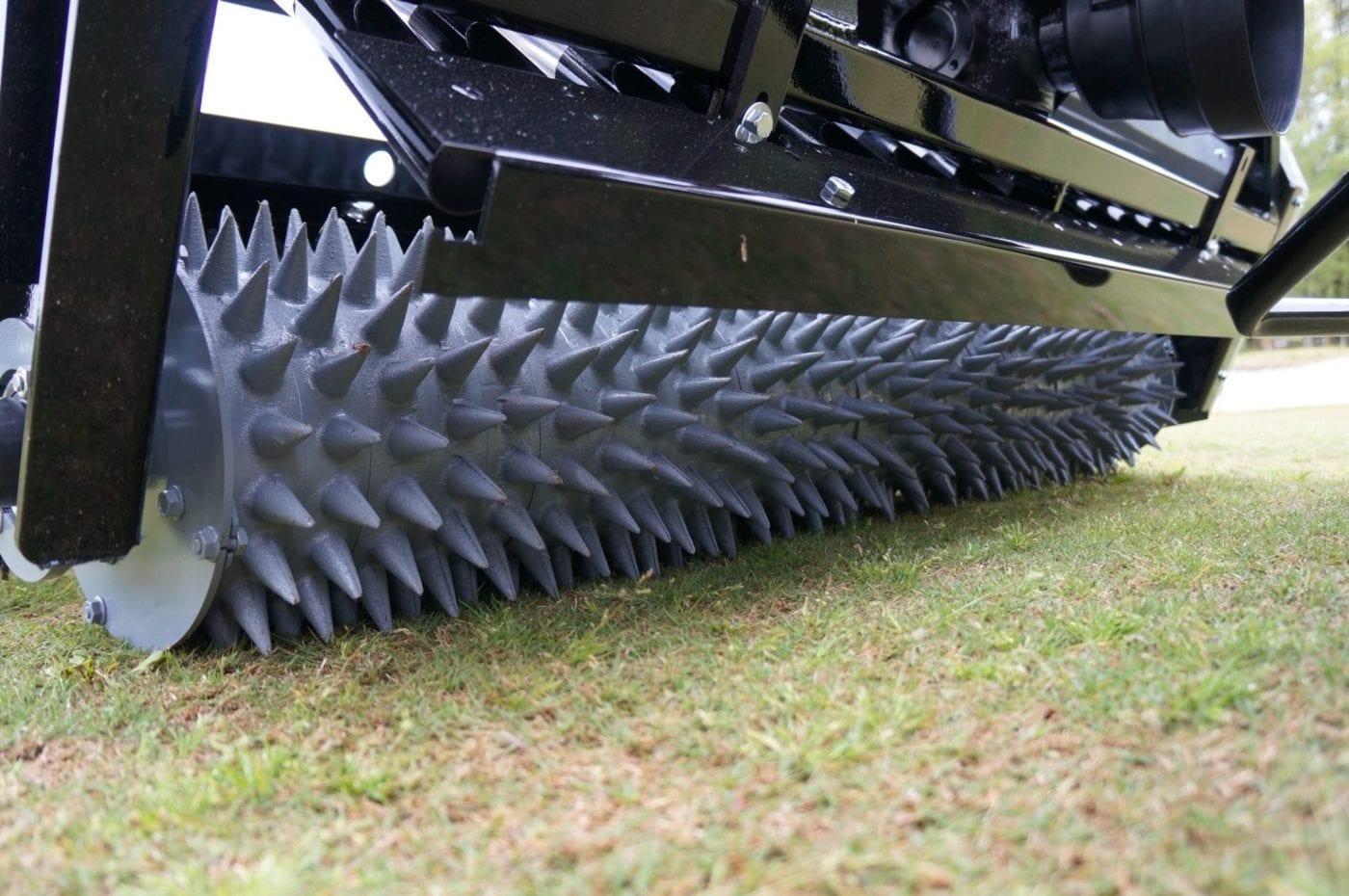
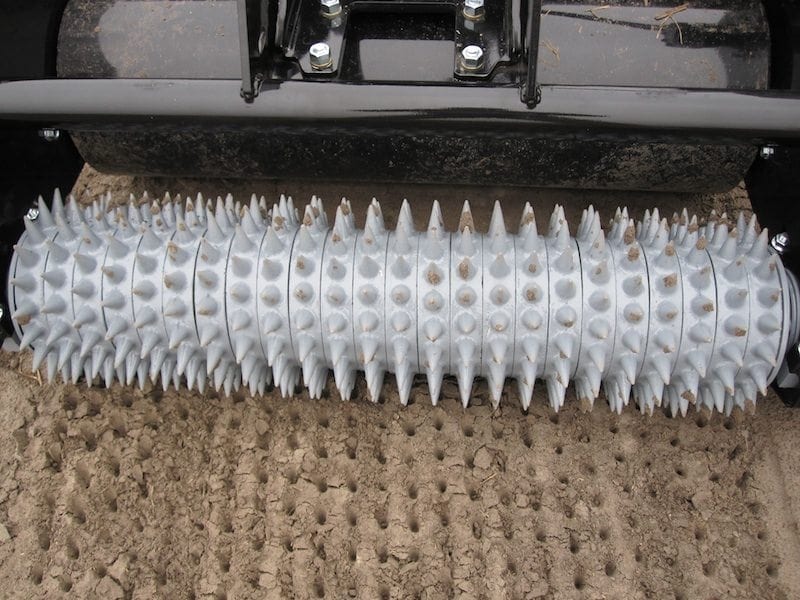
Spike aerators use solid tines that penetrate the soil surface without removing any material. These spikes, usually made from hardened steel, create holes by pushing soil aside and downward. The design ranges from simple rolling drums with protruding spikes to more advanced machines with independently moving tines.
How Spike Aerators Work
Spike aerators use solid tines that penetrate the soil surface without removing any material. These spikes, usually made from hardened steel, create holes by pushing soil aside and downward. Equipment like 1st Products’ AERA-vator offers versatile options that allow for deep soil agitation without core removal—ideal for lighter-duty maintenance and turf surfaces where appearance matters.
Advantages of Spike Aeration
Spike aerators offer several practical benefits that make them suitable for specific uses:
- Minimal surface disruption: No soil cores means areas can be used immediately after treatment
- Speed and efficiency: Generally faster to operate than plug aerators
- Lower operating costs: Usually less expensive to buy and maintain
- Reduced cleanup: No cores to manage after aeration
These tools are particularly useful for residential turf, sports fields, and seasonal upkeep.
How do plug aerators work and why are they effective?
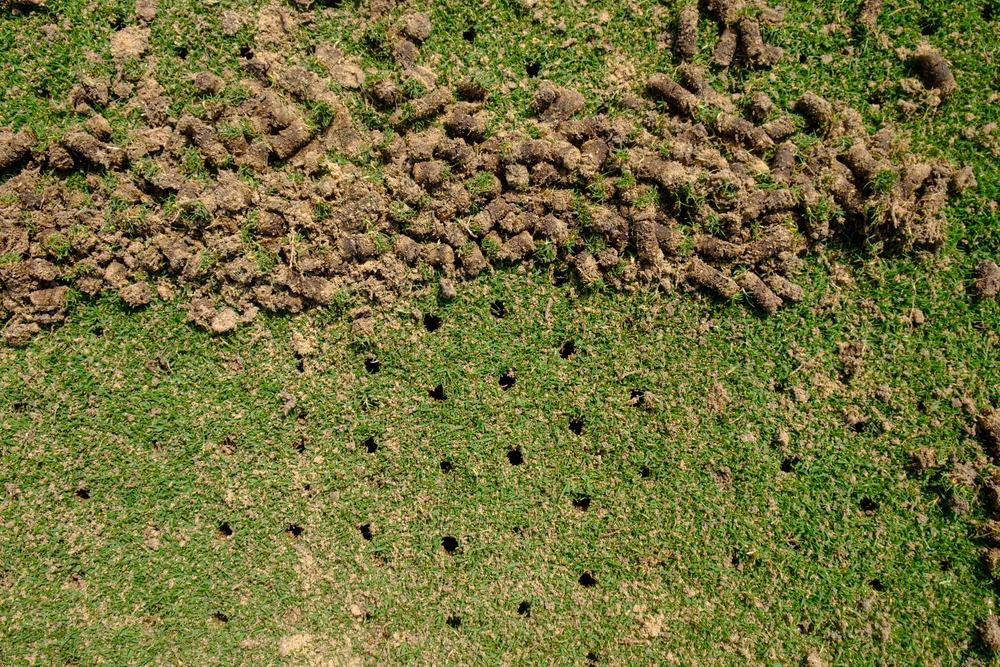
Plug aerators, also known as core aerators, use hollow tines to extract small soil plugs from the ground. These plugs decompact the soil more deeply, offering a more permanent improvement to soil structure. 1st Products offers solutions like the MULTI-drill, which combines plug aeration with precision seed delivery—perfect for serious turf renovation and field work.
As a plug aerator moves across the surface, it removes cores that improve air and water movement. Plug aeration can increase infiltration rates by 2 to 5 times, with benefits that last well beyond the treatment.
Advantages of Plug Aeration
Plug aerators provide several significant benefits that make them the preferred choice for professional turf and field management:
- True decompaction relief: Removing soil cores rather than compressing soil further provides genuine decompaction
- Enhanced thatch management: Core removal helps speed up thatch breakdown
- Improved root development: Creates space for roots to expand and access nutrients
- Better fertilizer and amendment penetration: Open cores allow fertilizers, lime, and other soil amendments to reach deeper into the soil
- Longer-lasting results: Effects usually last much longer than spike aeration
For applications in hayfields, sports turf, and clay-heavy soils, plug aeration is often the superior method. Consider our lineup of agricultural tools for long-term soil management.
Which aerator is more effective: spike or plug?
Scientific evidence comparing these two aeration methods consistently favors plug aeration for most professional uses. Plug aeration has been shown to provide 30 to 50% better relief from soil compaction than spike aeration six months after treatment.
Athletic Fields and High-Traffic Turf
For athletic fields and heavily used turf areas, the difference is even clearer. Removing actual soil volume creates space for root growth and reduces bulk density—critical factors for turf resilience under heavy use.
Field managers who rely only on spike aeration often face recurring compaction issues that require more frequent treatment, increasing long-term maintenance costs despite the lower initial investment.
Agricultural Applications
In agriculture, the difference between these aeration methods can significantly affect crop yields. Proper core aeration can increase water infiltration in clay soils, reducing runoff and erosion while improving nutrient availability to crops.
For pastures and hayfields, where surface disruption is less of a concern, plug aeration usually delivers better results in forage production and stand longevity. The improved root development from true decompaction helps pasture grasses better withstand drought and recover faster from grazing.
Should I choose spike or plug aeration for my soil?
Choosing between spike and plug aerators requires careful thought about your specific situation and goals. Here are key factors to consider:
Soil Type Considerations
Heavy clay soils benefit much more from plug aeration than sandy soils. Removing soil cores creates lasting pathways for air and water in dense soils that tend to recompact quickly after spike aeration. For operations managing mostly clay soils, investing in quality plug aeration equipment delivers much better long-term results.
Traffic Patterns and Intensity
Areas with heavy foot or vehicle traffic develop compaction problems that spike aerators can’t adequately fix. Golf course greens, sports fields, and high-traffic agricultural areas need the thorough decompaction that only plug aerators provide. For residential lawns or lightly used areas, spike aeration may be enough for maintenance.
Seasonal Timing
The timing of aeration affects both immediate impact and long-term benefits. Plug aeration causes more surface disruption, making it best during peak growth periods when recovery is quick. Spike aeration, causing minimal disruption, can be done more often and during less ideal growing conditions.
Budget and Resource Allocation
While plug aerators usually require a bigger initial investment, their superior effectiveness often makes them more cost-effective over time. Organizations with limited resources might start with spike aeration while planning to add plug aeration to their maintenance program later.
How can I get the best results from aeration?
No matter which aeration method you choose, proper implementation greatly affects results. Here are essential practices to optimize your aeration program:
Soil Moisture Management
Proper soil moisture is crucial for effective aeration. Too dry conditions limit penetration depth and increase equipment wear, while overly wet soils can suffer structural damage during aeration. The ideal moisture level lets tines penetrate easily without causing soil smearing or compaction.
Aeration Patterns and Density
For both spike and plug aerators, making multiple passes in different directions improves effectiveness. Professional turf managers often recommend 20 to 40 holes per square foot for optimal results with plug aeration. This density provides enough decompaction while keeping surface stability.
Post-Aeration Practices
Following aeration with proper management enhances and extends the benefits. Topdressing with sand or compost after plug aeration helps keep cores open longer and adds beneficial organic matter to the soil. Fertilizing and overseeding right after aeration also take advantage of improved soil conditions for maximum effect.
Can combining spike and plug aeration improve soil health?
Many professional turf and field managers find that combining both aeration methods in a comprehensive program delivers the best results. This approach might include:
- Deep plug aeration once or twice a year during main growing seasons
- Supplemental spike aeration during off-peak times to maintain surface infiltration
- Targeted plug aeration in high-traffic zones with more frequent spike aeration in surrounding areas
This combined strategy maximizes the benefits of both methods while minimizing their limitations. For organizations managing diverse properties, investing in both types of equipment provides valuable flexibility to handle different conditions.
What are the key differences between aerator spikes and plugs?
Choosing between aerator spikes and plugs isn’t just about equipment preference—it significantly affects soil health, plant performance, and long-term management efficiency. While spike aerators offer convenience and minimal disruption, plug aerators provide superior decompaction and lasting soil improvement for most professional uses.
By understanding the fundamental differences between these aeration methods and considering your specific needs, you can make an informed equipment choice that optimizes both immediate results and long-term soil health. For most commercial turf and agricultural operations, investing in quality plug aeration equipment is one of the most impactful decisions for sustainable land management and productivity.
Final Thoughts: Which aerator should you choose?
Spike and plug aerators each serve a purpose—but for most commercial turf and ag operations, plug aeration provides the best long-term value. If your goal is sustainable soil health and plant performance, choosing the right equipment is crucial.
1st Products offers American-made, patented solutions that help you save time, reduce costs, and improve yield. Ready to take the next step? Contact us today to find the perfect tool for your land.