Is your equipment ready for the next planting or harvest season? Proper maintenance of agricultural machinery keeps your tools reliable, improves efficiency, and reduces costly repairs. Neglecting this crucial task can lead to unexpected breakdowns during peak times. This guide simplifies how to maintain your machinery, ensuring you’re always prepared for success.
Why Regular Maintenance Matters
Agricultural equipment faces intense workloads and tough environments. Regular maintenance ensures that your machinery remains efficient, safe, and reliable. It also extends its lifespan, giving you better value for your investment.
When equipment is maintained, downtime is minimized, and you can focus on your operations without interruptions. Quality products, like those from 1st Products Agriculture Wholegoods, are a great starting point, but consistent upkeep is what keeps them running optimally.
Setting Up a Maintenance Schedule
Creating a maintenance schedule is one of the most effective ways to ensure your equipment stays in peak condition. Here are key steps for managing farm machinery upkeep:
- Daily Tasks: Inspect for visible damage, clean off dirt and debris, and check fluid levels.
- Weekly Tasks: Test functionality, lubricate moving parts, and review the hydraulic system.
- Seasonal Tasks: Inspect and service machinery before and after major use, such as planting or harvesting.
Staying organized with routine checks reduces the risk of expensive repairs. For accessories that simplify maintenance, explore 1st Products Accessories.
Key Areas to Maintain
Lubrication
Proper lubrication is essential for reducing wear and tear. Focus on bearings, joints, and high-friction parts to keep your equipment running smoothly. Skipping this step can lead to serious mechanical failures.
Hydraulics
Hydraulic systems are critical for efficient machinery. Check fluid levels, look for leaks, and inspect hoses and seals regularly. Addressing small issues early can prevent costly repairs down the line.
Tires and Tracks
Tires and tracks must be in good condition for safe and effective use. Check for proper inflation, alignment, and visible wear. Damaged tires or tracks can compromise traction and lead to accidents.
Engines and Batteries
Engines and batteries are the core power sources that drive your machinery, so their maintenance is critical to ensuring consistent performance. For engines, start by checking the oil levels regularly. Low or dirty oil can cause overheating and damage to internal components. Replace the oil and oil filter at recommended intervals to maintain smooth operation.
Air filters are another vital component. They prevent dust and debris from entering the engine, so inspect them frequently and replace them if they appear clogged. Belts should also be checked for tension and wear. A loose or cracked belt can cause equipment malfunctions or even breakdowns during critical operations.
Batteries require just as much attention. Inspect terminals for corrosion and clean them with a baking soda solution or a specialized terminal cleaner. Ensure the battery is properly charged, and replace it if it struggles to hold a charge. Neglecting battery care can lead to sudden failures, leaving your equipment non-functional when you need it most.
Equipment-Specific Maintenance Tips
Tractors
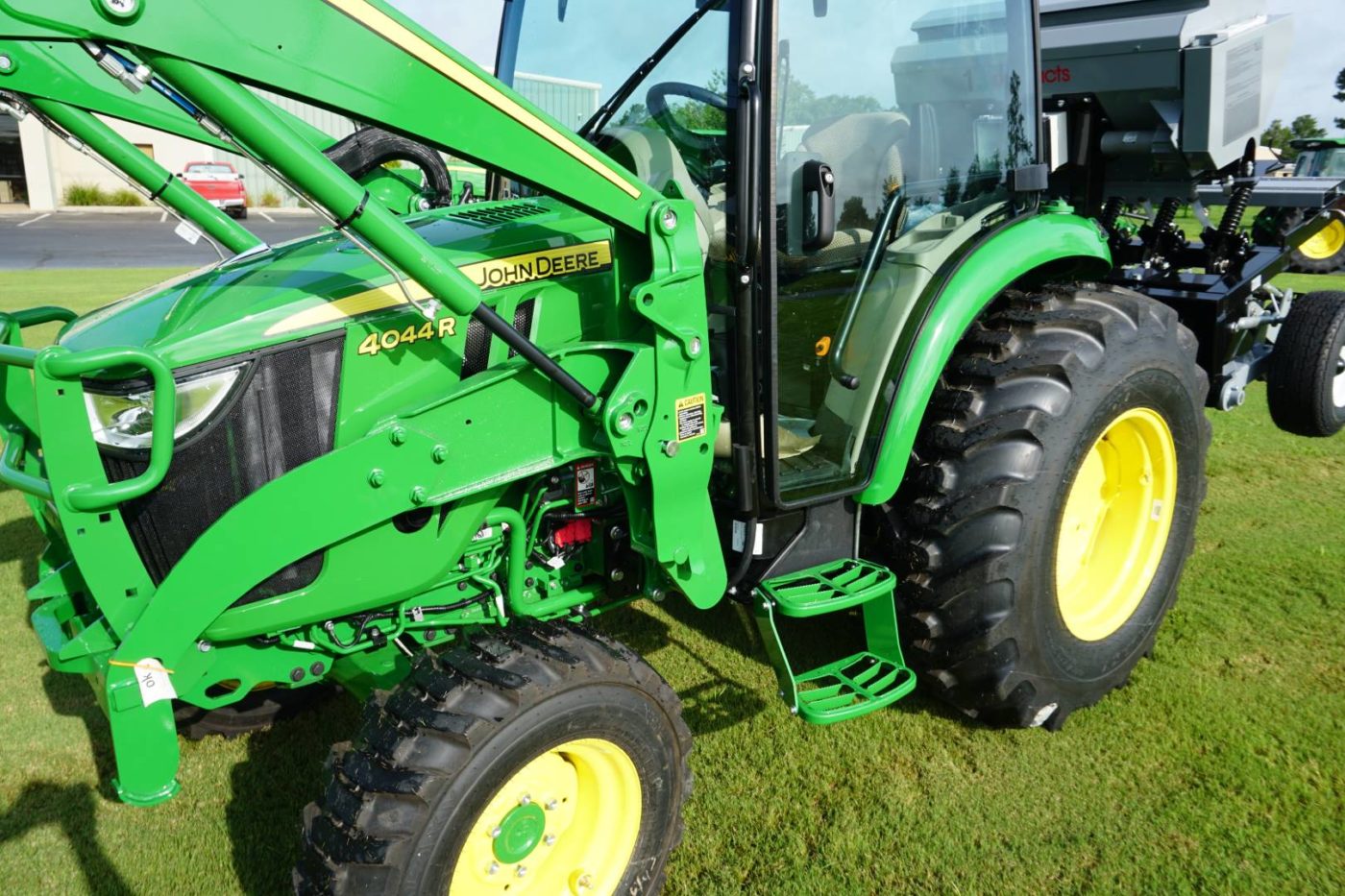
Tractors play a vital role in farming. Keep up with oil changes, air filter replacements, and tire inspections to maintain optimal performance. Attachments like the Round Module Spear can enhance functionality when properly maintained.
Seeders and Planters
Planting is a stage where precision matters most. Uneven seed distribution or blockages can reduce crop yields, so maintaining seeders and planters is essential. Start by thoroughly cleaning all components after every use. Dirt, dust, and leftover seeds can cause clogging if not removed promptly.
Calibration is equally important. Over time, components like seed plates or nozzles can shift, leading to inconsistent planting. Test and adjust the equipment regularly to ensure even spacing and depth. For automatic systems, check sensors and software for proper functioning.
Inspect moving parts like gears and belts for wear. Lubricate these parts to reduce friction and prolong their lifespan. Taking these steps not only ensures better yields but also prevents unnecessary downtime during the busy planting season.
Fertilizer Systems
Fertilizer systems are prone to clogs and corrosion due to the nature of the materials they handle. Keeping them clean and functional is vital for uniform application and efficiency. Start by inspecting all hoses, valves, and nozzles for signs of buildup, cracks, or wear. A clogged nozzle can lead to uneven spreading, wasting fertilizer and affecting crop growth.
For dry fertilizer systems, check for residue accumulation inside the spreader mechanism. Use a brush or compressed air to clear blockages. For liquid systems, flush out the lines after each use to prevent clogs and corrosion. Additionally, inspect pumps and seals to ensure they are functioning correctly and not leaking.
Regular maintenance of both types of systems will save you time and money while maximizing crop productivity. Investing in quality dry and liquid fertilizer systems, like those available from 1st Products and 1st Products Liquid Fertilizer, can make maintenance more manageable and ensure better results.
Cotton Handling Tools
Cotton farming tools like the Cotton Spear are invaluable for handling and transporting cotton modules efficiently. To keep these tools in peak condition, regular inspection and maintenance are necessary. After each use, clean the spear thoroughly to remove any dirt, cotton residue, or debris.
Inspect the spear for signs of wear or damage, such as bent or dulled points. A damaged spear can reduce efficiency and increase the risk of damage to cotton modules. If you notice any defects, repair or replace the tool promptly to prevent further issues.
Proper storage is also essential. Keep cotton equipment in a dry, secure area to avoid exposure to moisture, which can lead to rust or deterioration. By maintaining and storing your Cotton Spear properly, you ensure it remains reliable and ready for use during busy harvest seasons.
Preventive Maintenance Best Practices
Preventive maintenance is all about staying ahead of potential issues. By addressing small problems early, you can avoid larger, more expensive repairs. Here are some tips:
- Conduct regular farm equipment safety checks.
- Use an agricultural equipment inspection checklist to stay organized.
- Apply DIY farm machinery repair tips for simple fixes.
Proactive care ensures that your machinery is always ready when you need it most.
Seasonal Maintenance Considerations
Each season places different demands on your equipment. Adjust your maintenance tasks based on the time of year:
- Before Planting: Inspect seeding equipment, lubricate all moving parts, and replace worn components.
- During Harvest: Focus on cleaning and daily lubrication to keep machinery in top shape.
- Winter Storage: Clean thoroughly, drain fluids if necessary, and store in a dry, secure space.
These steps protect your equipment from wear and damage caused by harsh conditions.
Where to Find the Right Tools
Having the right tools for maintenance can save time and ensure better results. At 1st Products Agriculture Wholegoods, you’ll find a wide range of innovative solutions designed for reliable and efficient care.
From versatile options like the Multi-Drill to specialized tools like the Round Module Spear, 1st Products helps farmers get the most out of their machinery. Explore their full selection to simplify your maintenance routine and keep your equipment running smoothly year-round.