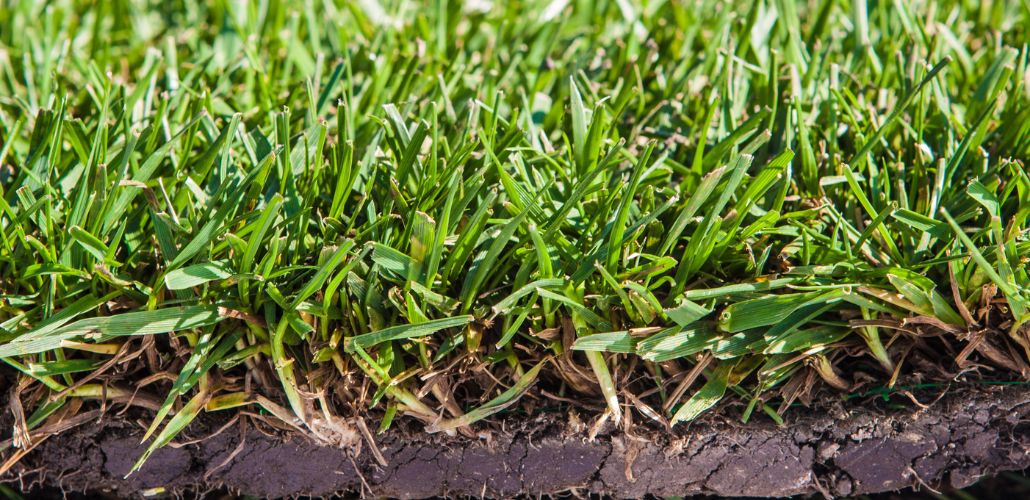
If your turf looks healthy but struggles to recover after heavy use, your aeration schedule may be the culprit. As turf managers, groundskeepers, and golf course superintendents know, even a well-maintained field can quickly decline if compaction and timing are overlooked. Using a commercial aerator effectively ensures turf durability and consistent results across every season. Scheduling aeration correctly helps prevent unnecessary labor costs while promoting healthier soil and longer-lasting performance.
Why Aeration Timing Matters
Aeration is more than just poking holes in turf; it’s a cornerstone of professional turf management. Using a commercial aerator at the right interval has a direct impact on soil structure, root development, and turf resilience. When you aerate too often or at the wrong time, you may actually harm turf by stressing roots, disrupting recovery, and compounding compaction issues.
| Key Insight Box: Proper aeration timing can dramatically change root density and turf resilience, especially on high-traffic sports fields and golf courses. |
Why is timing so crucial?
Soil compaction naturally increases with foot traffic, mowing, and rainfall. Aeration relieves this compaction, allowing air, water, and nutrients to penetrate deeper. However, if turf is aerated when it is already stressed, such as during summer heat waves or dormancy, it will not recover efficiently. Instead, recovery slows, and you risk opening the door to weeds, disease, and bare patches.
Timing also influences the effectiveness of other treatments. Overseeding and topdressing, for instance, are far more successful when scheduled alongside appropriate aeration. According to the USGA’s best practices for aeration, integrating these maintenance steps maximizes turf health and recovery.
Signs Your Aeration Schedule Is Hurting Turf
Many turf managers know the basics of aeration, but overlook the warning signs that their current schedule may be causing more harm than good. Visible turf stress often indicates underlying soil issues or an improper aeration frequency.
Compaction Warning Signs
- Thinning Grass: If once-dense turf now appears thin or patchy, compaction may be restricting root growth.
- Pooling Water: After rainfall or irrigation, water sits on the surface instead of draining—a classic sign of compacted soil.
- Uneven Color: Look for pale, yellow, or brown areas that indicate poor nutrient or oxygen flow.
- Hard Soil: Difficulty inserting a screwdriver or probe points to excessive soil density.
Root Damage Indicators
- Shallow Root Systems: When roots are forced to stay near the surface, turf is less drought-tolerant and more susceptible to wear. Over time, shallow roots also lead to more frequent repairs and higher maintenance costs.
- Reduced Turf Resilience: Fields that don’t spring back after play or equipment traffic may have roots weakened by over-aeration or poor scheduling.
- Increased Weed and Disease Pressure: Compromised turf allows invasive species to establish, reducing field quality and longevity.
If you notice these issues, your aeration schedule—and your equipment—may need adjustment.
Explore our full line of commercial aerators to ensure your turf has the best tools for consistent, professional results.
How Often Should You Aerate?
Every turf manager faces the question: “How often should I aerate my fields?” The answer isn’t one-size-fits-all. Factors such as turf species, soil type, field use, and local climate all play critical roles.
Warm-Season Turf
Warm-season grasses (such as Bermuda or Zoysia) thrive when aerated during active growth, typically late spring through summer. For high-traffic sports fields or golf courses, two to three aerations per growing season may be warranted. Over-aerating, however, can disrupt recovery—especially during extreme heat or drought.
Cool-Season Turf
Cool-season grasses (like Kentucky Bluegrass or Fescue) benefit from spring and early fall aeration. These windows align with peak root growth and recovery potential. Avoid aerating during summer dormancy, as stressed cool-season turf is slow to heal.
Adjusting for Field Use
Heavily trafficked fields, such as school athletic complexes or municipal parks, require more frequent aeration to combat rapid compaction. However, if you notice slow recovery or persistent stress, you may need to scale back and focus on soil health before the next cycle.
Example:
A golf course in the southern U.S. may aerate greens three times between April and September, spacing treatments 6–8 weeks apart. A municipal soccer field in the Midwest might benefit from spring and early fall aeration, timed with overseeding.
Matching Commercial Aerators to Turf Needs
Not all aeration equipment is created equal. The right commercial aerator can mean the difference between a thriving field and ongoing maintenance headaches. Understanding the differences between core and solid-tine aeration, and the benefits of modern machinery like the AERA-vator line, helps you make informed decisions.
Choosing the Right Tine Type
- Core Aeration: Removes soil cores (plugs) to relieve compaction most effectively. Best for fields with heavy clay soils or excessive thatch.
- Solid-Tine Aeration: Punches holes without removing soil, causing less disruption and faster surface recovery. Useful for sandy soils or in-season touch-ups.
Many turf managers mistakenly believe that more holes always equal better outcomes. In reality, matching the type and frequency to field needs is essential. The AERA-vator system from 1st Products offers modular attachments, allowing you to switch between core and solid-tine options as your turf conditions change. This saves time and improves results.
Understanding Aeration Depth
Depth is another critical factor. Shallow aeration (1–2 inches) helps with thatch management, while deeper aeration (up to 4 inches) is necessary to break up compaction and encourage robust root growth. For example, athletic fields with heavy clay soils benefit from deeper 4-inch aeration, while sand-based greens may only need 2 inches. Too-deep or too-frequent aeration may damage root zones and slow recovery.
Modern commercial aerators, like those from 1st Products, feature industry-leading depth control and customizable settings—ensuring precise treatment for every field.
Learn more about turf equipment options and how modular designs can streamline your maintenance program.
Creating a Smarter Commercial Aeration Plan
Aeration works best as part of a comprehensive turf maintenance strategy. Integrating soil testing, overseeding, and topdressing around your aeration schedule maximizes results and field durability.
Soil Testing and Planning
Begin with a soil test to assess compaction, pH, and nutrient levels. The results guide how deep to aerate and whether additional amendments are needed. Adjust your schedule based on field performance, weather patterns, and usage cycles.
Coordinating with Overseeding
For both cool- and warm-season turf, pairing aeration with overseeding and topdressing promotes rapid recovery and denser, more resilient turf. Aeration opens the soil, creating ideal seed-to-soil contact and improving germination rates.
Proactive Planning Example:
On a sports field preparing for fall play, schedule core aeration and overseeding in late summer, followed by light topdressing. This approach supports the establishment of thick turf before the busiest season.
Rethink Your Schedule, Boost Performance
A balanced, data-driven aeration schedule is the foundation for healthy, high-performing turf. By matching commercial aerator settings to your field’s needs and integrating aeration with broader turf management practices, you reduce compaction, boost recovery, and ensure consistent playability.
A well-timed aeration plan protects your investment, enhances turf resilience, and reduces downtime for your crew. Explore our commercial aerators and request a quote today to see how 1st Products can help you achieve consistent, professional results.
At 1st Products, we’ve spent decades helping turf professionals nationwide optimize their fields with durable, precision-engineered aerators. Our AERA-vator line is built in the USA and trusted by golf courses, athletic fields, and parks departments for reliable, season-after-season performance.
Ready to optimize your turf’s performance? Request a quote today.
Frequently Asked Questions
How often should sports turf be aerated?
Most sports turf should be aerated one to three times per year, depending on soil type, turf species, and field use. High-traffic areas may require more frequent aeration to prevent compaction. Using a commercial aerator with adjustable tine depth allows turf managers to adapt aeration frequency based on season and field conditions.
What happens if you aerate too frequently?
Aerating too often can disrupt root growth, increase surface stress, and slow turf recovery. Over-aeration may also encourage weed invasion and disease.
Is fall or spring better for turf aeration?
The best time depends on turf type. Cool-season grasses benefit from spring and fall aeration, while warm-season grasses recover best when aerated in late spring or summer during active growth.
What’s the difference between core and solid-tine aeration?
Core aeration removes soil plugs, relieving compaction most effectively. Solid-tine aeration pokes holes without removing soil, causing less disruption and faster surface recovery.
How do I choose the best commercial aerator for my field?
Consider your soil type, field use, and maintenance goals. Look for a commercial aerator with adjustable depth, modular tines, and proven durability—like the AERA-vator line from 1st Products.