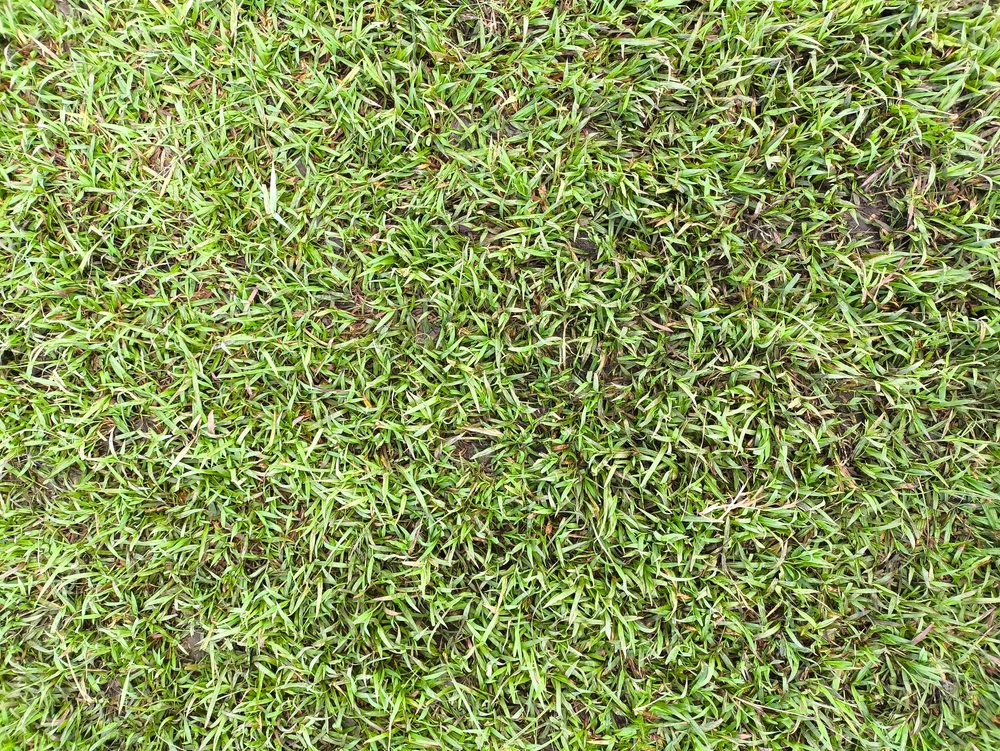
High-traffic turf is one of the most demanding environments in professional turf management. Whether you’re maintaining a natural grass athletic field, a golf course fairway with heavy play, or a commercial property that sees consistent foot and equipment traffic, the combination of compaction, wear, and aggressive use creates conditions that make it genuinely difficult to establish and maintain healthy turf.
Broadcast seeding in these environments rarely delivers the results turf managers need. Seed that sits on the surface is vulnerable to washout, bird predation, poor germination rates, and inconsistent coverage. The result is patchy turf that requires repeated overseeding passes and never quite reaches the density and uniformity that high-traffic areas demand.
Turf seeders solve this problem by placing seed with more precision and consistency than broadcast methods can achieve. This guide breaks down how they work, why they perform better in high-traffic conditions, and what to look for when evaluating seeding equipment for professional use.
Why High-Traffic Areas Are Harder to Seed
Before getting into equipment, it helps to understand what makes high-traffic turf so difficult to establish in the first place.
Compaction is the primary issue. Heavily trafficked soil has reduced pore space, which limits the air and water movement that germinating seed and developing roots depend on. Even if you lay down perfect seed, compacted soil beneath it creates a hostile environment for root development.
Surface conditions are also harder to manage. High-traffic areas often have uneven surfaces, worn or bare patches, and inconsistent thatch depth, all of which affect how seed sits and whether it makes adequate contact with the soil. Seed that doesn’t contact soil directly is seed that largely won’t germinate.
Timing pressure compounds the challenge. High-traffic areas often can’t be taken completely out of play for extended periods, which means seeding windows are short and recovery needs to happen quickly. That makes germination rate and establishment speed critical factors, not just nice-to-haves.
The Sports Turf Managers Association (STMA) consistently identifies seed-to-soil contact and proper timing as the two most significant factors in successful overseeding on athletic fields, both of which are directly influenced by the equipment you use.
What Turf Seeders Do Differently
Turf seeders are designed to improve the quality of seed placement rather than just the quantity of seed spread. The core advantage is mechanical seed placement, putting seed into the soil profile at a controlled depth rather than leaving it on the surface to fend for itself.
This matters for several reasons.
Consistent seed depth. Germination is most reliable when seed is placed at a uniform depth matched to the seed type. Too shallow and the seed dries out before germination. Too deep and emergence is delayed or blocked entirely. Turf seeders control this variable, which broadcast spreaders cannot.
Better seed-to-soil contact. Mechanical placement creates direct contact between the seed and the soil, which is essential for moisture uptake and germination. Broadcast seed on a worn or compacted surface often sits on top of existing debris, old roots, or hardened soil where contact is minimal.
Reduced seed waste. Broadcast seeding in high-traffic areas means a significant portion of the seed never reaches the soil or gets displaced before it can germinate. Turf seeders reduce this waste by placing seed where it has a legitimate chance to establish, which also means better results from the same input cost.
Faster establishment. Because germination conditions are more consistent, turf seeded with a mechanical seeder typically establishes faster than broadcast-seeded areas. For high-traffic properties with limited downtime, faster establishment directly reduces the window during which the surface is vulnerable.
The Role of Aeration Before Seeding
On high-traffic turf, seeding results improve significantly when compaction is addressed before seed goes down. Aerating before overseeding opens the soil profile and creates conditions where seed placement is more effective and roots can develop without restriction from the start.
The 1st Products AERA-vator is particularly well-suited for this pre-seeding step. Its vibrating tine system fractures compacted soil without tearing up the surface, which means you can aerate and then seed in the same renovation pass without leaving the field in a condition that takes weeks to recover. Models like the DO40 Mini Skid Steer attachment and the AE40E Tow-Behind are built for the kind of precision work that tight athletic field and commercial property timelines require.
Pairing aeration with quality turf seeding equipment gives you the best of both interventions: improved soil conditions for root development and precise seed placement for faster, more consistent germination.
What to Look for in Turf Seeding Equipment
Not all turf seeders are built for high-traffic professional applications. A few criteria matter most when evaluating equipment for this use case.
Depth control. The ability to set and maintain consistent seed depth across varying surface conditions is a baseline requirement for professional seeding equipment. Look for machines with positive depth adjustment and consistent results across different soil types.
Seed rate adjustment. Different grass species and different overseeding scenarios require different seeding rates. Equipment that gives you accurate, adjustable control over seed output reduces waste and improves results.
Surface aggressiveness. On maintained turf that needs to stay in play, equipment that can seed effectively without leaving the surface in rough condition is a real advantage. Aggressive tillage equipment may improve seed contact but can also delay recovery in ways that create problems on active fields.
Duty cycle and build quality. High-traffic properties require consistent, repeated maintenance. Seeding equipment that handles commercial workloads without mechanical issues is worth the investment. Domestic manufacturers with parts availability and real support make a difference when you’re on a tight maintenance schedule.
Matching Equipment to the Property
The right turf seeder for a 100-acre golf course fairway is a different machine than the right seeder for a 2-acre youth soccer complex. Scale, tractor compatibility, and the specific grass type you’re working with all factor into which equipment makes the most sense.
What stays consistent across property types is the underlying principle: in high-traffic turf, seed placement quality determines results. Broadcast methods that work reasonably well in low-traffic residential settings fall short when the conditions are harder and the margin for error is smaller.
Turf managers who consistently get good results on high-traffic surfaces invest in equipment that gives them control over the variables that matter. Seed depth, soil contact, and establishment speed are not things you want to leave to chance when the field needs to be back in play on a schedule. Explore the 1st Products turf equipment lineup to see how purpose-built turf equipment supports better results on demanding properties, or reach out to the team to discuss which configuration fits your operation and your equipment fleet.