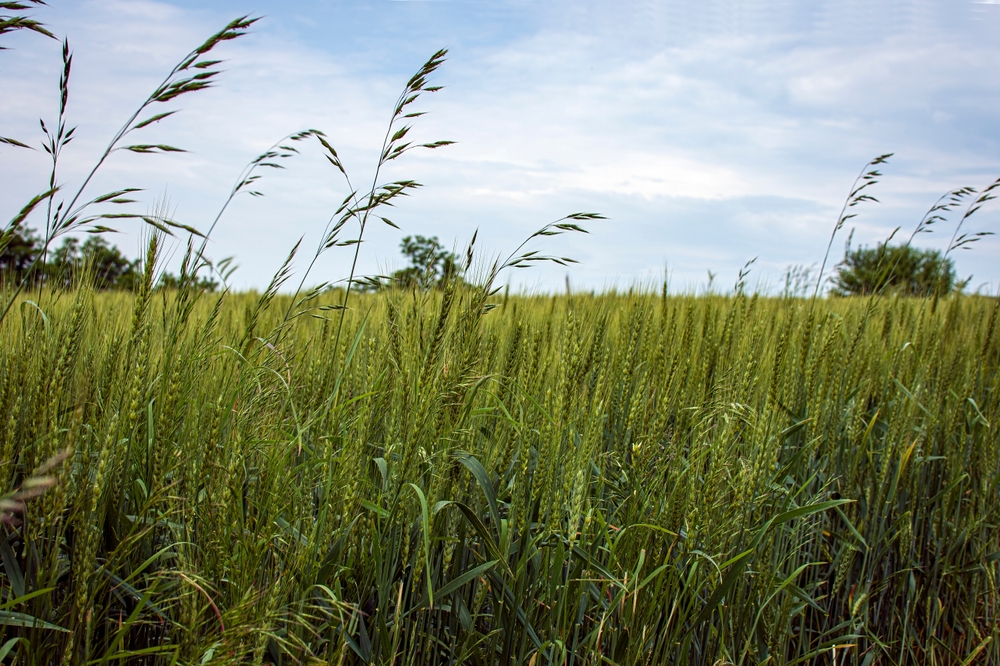
Cover crops are one of the best tools available for improving soil health, suppressing weeds, and keeping ground productive between primary planting seasons. But they only deliver on that promise when they actually establish. A thin, patchy, or failed cover crop stand is worse than useless — it wastes seed, wastes time, and leaves the soil exposed to exactly the erosion and compaction you were trying to prevent.
Most cover crop germination failures aren’t random bad luck. They trace back to a handful of predictable, avoidable mistakes. Here’s what to watch for.
Mistake #1: Planting at the Wrong Depth
Depth is the most common and most impactful cover crop planting error. Go too shallow and the seed desiccates before the root can reach stable moisture. Go too deep and the seedling burns through its energy reserves before it breaks the surface.
As Mississippi State University Extension notes, planting too deeply leads to seedlings dying before emergence, and those that do come up are often stunted for the entire season. Shallow planting carries the same risk from the other direction — roots that can’t reach consistent moisture produce weak, stressed plants that never fully establish.
Each cover crop species has a defined optimal depth range. Cereal rye and small grains generally do well at half an inch to one inch. Clovers and small-seeded legumes need shallower placement, often a quarter inch or less. Planting a mixed species blend with a broadcast spreader makes it nearly impossible to hit the right depth for each component of the mix. This is one of the clearest situations where a seed drill outperforms surface seeding — it places each seed at a calibrated depth regardless of soil variability across the field.
Mistake #2: Broadcasting When the Conditions Don’t Support It
Broadcast seeding has its place, but it gets used far too often in conditions where it has no real chance of working. Broadcast seed sitting on dry, hard, or heavily residued ground is exposed to sun, wind, and birds with no protection. Germination depends entirely on rain pushing seed into contact with soil, and in dry springs or late-season windows, that rain may not come in time.
The Midwest Cover Crops Council recommends increasing broadcast seeding rates by 20 to 50 percent over drilled rates just to compensate for the poor seed-to-soil contact and unpredictable losses. That’s a significant cost premium to pay for an inferior method. When conditions are marginal, soil moisture is low, or timing is tight, switching to a drill seeder eliminates most of that risk.
For food plotters and land managers who need reliable establishment on a defined calendar, broadcast seeding in challenging conditions is one of the most expensive mistakes in the field.
Mistake #3: Mixing Fertilizer or Lime with Seed in the Spreader
This one catches people off guard. Mixing cover crop seed with fertilizer or lime in the same spreader hopper seems efficient, but many fertilizers cause salt burn that damages or kills seed before it ever reaches the soil. The Southern Cover Crops Council explicitly flags this as a cause of reduced stand, noting that fertilizers can render seed non-viable on contact.
The fix is simple: keep seed and fertilizer applications separate. If you’re using a drill with a fertilizer box, ensure seed and fertilizer are routed through independent delivery systems. The 1st Products agriculture equipment lineup includes dry fertilizer applicator options designed to work independently from your seeding setup, so you can apply both in the same pass without contamination risk.
Mistake #4: Planting Too Late in the Season
Timing is one of the factors most operators understand in theory but underestimate in practice. Cover crops need enough growing days before a killing frost or the onset of dry summer heat to establish root systems capable of delivering actual soil benefits.
Plant too late and you get thin, shallow-rooted plants that winter-kill before doing meaningful work. Legumes are especially sensitive here — as agronomists at North Carolina State University point out, legumes have a narrower establishment window than small grain cover crops and are more vulnerable to low moisture conditions immediately after germination.
Building cover crop planting into your calendar as a primary task rather than an afterthought is the operational fix. The equipment side of this is equally important — a drill seeder that can plant into existing residue without a tillage pass first gives you a wider planting window than a broadcast system that requires ideal conditions to perform.
Mistake #5: Skipping Calibration When Switching Seed Types
Cover crop species vary enormously in seed size, shape, weight, and bulk density. A spreader or drill calibrated for cereal rye is not calibrated for crimson clover. Assuming settings carry over from one species to the next is one of the fastest ways to end up with a seriously over- or under-seeded stand.
Overseeding leads to dense competition that stunts growth, wastes expensive seed, and can actually reduce the benefits you were after. Underseeding leaves gaps that weeds fill quickly, undermining weed suppression and soil coverage goals. As the MULTI-drill’s onboard calibration charts make clear, recalibrating for each seed type isn’t optional — it’s the step that makes the rest of the work matter.
Always recalibrate when switching species, and verify calibration in the field before committing to a full planting pass.
Mistake #6: Ignoring Allelopathy Timing
Certain cover crop species, particularly cereal rye, oilseed radish, hairy vetch, and brassicas, release compounds during decomposition that can suppress the germination of the cash crop or food plot species that follows. Planting directly into heavy fresh residue from these species without allowing adequate breakdown time can result in poor or failed stands in the following planting.
Michigan State University Extension recommends a plant-back period of at least two weeks following termination of allelopathic species, and longer in dry conditions where decomposition is slower. Factoring this window into your planting calendar protects the investment you made in the cover crop itself.
The Equipment Factor
A pattern runs through most of these mistakes: many of them are preventable with the right equipment. Proper seed depth, consistent metering, independent fertilizer delivery, and species-specific calibration are all things a quality drill handles mechanically that a broadcast spreader leaves to chance.
The MULTI-drill from 1st Products was built to handle the variety of seed types, field conditions, and terrain that real-world cover crop planting demands, whether you’re managing pasture, farming row crops, or running food plots through a seasonal rotation. If you want to learn more about building a complete equipment setup for your operation, the agriculture wholegoods page is a good place to start.
The Bottom Line
Cover crops are a high-value practice. They deserve to be executed with the same precision as your primary crop. Avoiding these mistakes — wrong depth, ill-timed broadcast seeding, fertilizer contamination, late planting, skipped calibration, and ignoring allelopathy — is the difference between a cover crop that actually improves your land and one that just costs you seed money.
Ready to build a more reliable cover crop system? Explore the MULTI-drill lineup or contact the 1st Products team to talk through the right setup for your operation.