If you manage turf professionally, you’ve likely searched for aeration equipment and run into both “commercial aerator” and “commercial lawn aerator” in the same search results. The terms are often used interchangeably, but they don’t always describe the same thing, and for turf managers working on golf courses, sports fields, or large commercial properties, choosing the wrong tool can mean wasted time, unsatisfied clients, and turf that doesn’t recover the way it should.
This post breaks down what each term typically refers to, how the equipment differs in practice, and how to determine which one fits your operation.
Why the Terminology Gets Confusing
The word “commercial” gets attached to a lot of turf equipment as a marketing modifier. It usually signals that a machine is built for higher use frequency, larger surface areas, or more demanding conditions than what you’d find in a residential product line.
“Commercial aerator” is a broad category. It can refer to equipment used on everything from turf to agricultural fields to compacted soil in non-turf settings. “Commercial lawn aerator” narrows the focus: it generally describes equipment designed specifically for maintained turf surfaces, whether that’s a golf fairway, a stadium field, or a high-traffic park.
The Golf Course Superintendents Association of America (GCSAA) recognizes aeration as one of the most critical annual maintenance practices for golf turf, and their standards make clear that not all aeration equipment is created equal for that application. The distinction matters because aeration needs vary significantly depending on the surface, the compaction level, the soil type, and the desired recovery time.
What a Commercial Aerator Does
At its core, any aerator is designed to relieve soil compaction. Compacted soil restricts air movement, water absorption, and root development. Over time, this quietly degrades turf performance even when surface-level maintenance looks consistent.
A commercial aerator operates at a scale and duty cycle that residential equipment can’t match. These machines are built for high-volume use across large properties, repeated seasonal applications without mechanical breakdown, consistent penetration depth across varied terrain, and attachment compatibility with utility tractors or other commercial vehicles.
For turf managers overseeing multiple properties or large-acreage sites, the throughput and durability of commercial-grade equipment is non-negotiable. The Sports Turf Managers Association (STMA) notes that proper aeration scheduling and equipment selection directly affects how quickly athletic fields recover from compaction, which is a real operational concern for facilities that can’t afford extended field closures.
What a Commercial Lawn Aerator Does Differently
A commercial lawn aerator is purpose-built for maintained turf. The key difference is precision. Where a general commercial aerator may prioritize soil disruption for agricultural or reclamation purposes, a commercial lawn aerator is calibrated to aerate without damaging the playing surface, aesthetic appearance, or root structure of established turf.
Features that typically distinguish commercial lawn aerators include:
Controlled tine depth and spacing. Turf aerators are designed to penetrate at depths that relieve compaction without disrupting the thatch layer or surface profile more than necessary.
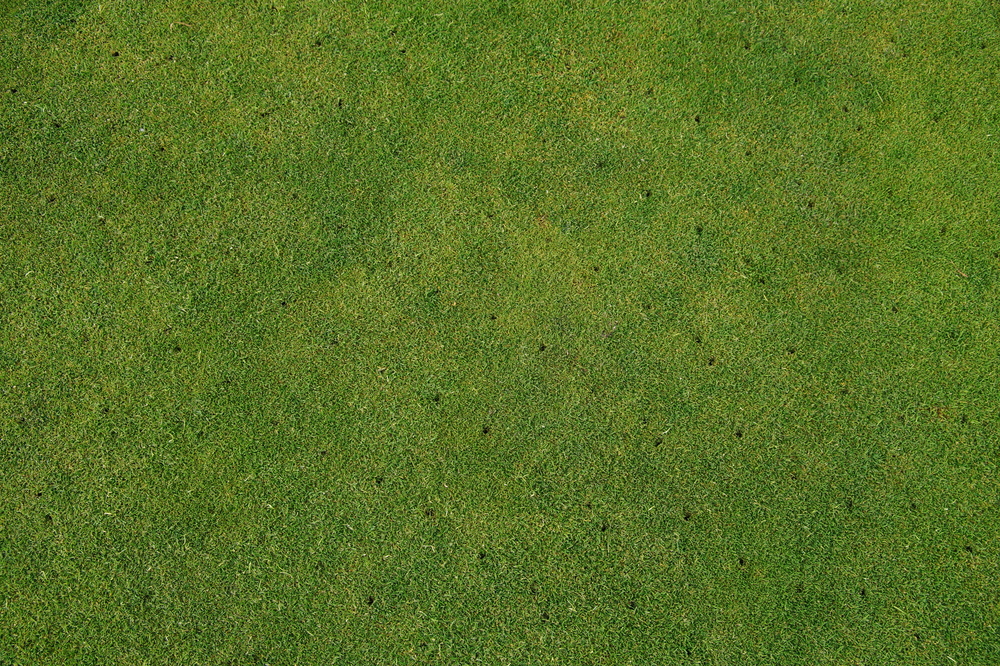
Surface recovery in mind. The holes left behind by a turf aerator are sized and spaced to promote quick backfill and recovery, which matters enormously on golf courses and athletic fields that can’t be taken out of play for extended periods.
Lower vibration and surface stress. On premium turf, minimizing surface disruption during aeration is as important as the aeration itself. Commercial lawn aerators are engineered with this in mind.
Compatibility with turf-specific workflows. These machines are often designed to work in combination with overseeding, topdressing, or fertilization applications that follow aeration.
The 1st Products AERA-vator line is a strong example of this category done right. Models like the AERA-vator 60T and the AE40E Tow-Behind are built specifically for the demands of professional turf maintenance, with tine vibration frequencies calibrated for turf penetration, not agricultural ground-breaking. That distinction in engineering translates directly to results on a golf course or athletic field.
Which One Do You Actually Need?
The honest answer depends on what you’re managing and what you’re trying to achieve.
If your primary work is on established, maintained turf such as golf courses, sports fields, municipal parks, or commercial landscapes, a commercial lawn aerator is the right category of equipment. You need precision, surface sensitivity, and recovery speed.
If you’re dealing with heavily compacted, undeveloped, or non-turf soil such as reclamation projects, ag ground, or rougher terrain, a broader commercial aerator may be the more appropriate tool.
Many operations need both, or need equipment that can flex across applications depending on the season and the client. The 1st Products turf equipment lineup includes options that cover both scenarios, from compact tow-behind models for tight spaces to self-contained units designed for schools, municipalities, and sports complexes.
The Equipment You Use Changes the Results You Get
Turf managers often inherit compaction problems that built up over years of use and neglect. The right commercial aerator helps reverse that process, but only if the equipment is matched to the surface.
Using aggressive agricultural aeration equipment on a golf green or a natural grass stadium field can cause surface damage that takes longer to recover from than the compaction problem you were trying to fix. Likewise, using an underpowered or consumer-grade aerator on a large commercial property means you’re putting in hours of labor without getting the soil disruption depth needed to make a real difference.
Matching equipment to application isn’t a technicality. It directly affects how your turf performs and how your clients evaluate your work.
What to Look for When Evaluating Commercial Aeration Equipment
Whether you’re shopping for a commercial aerator or a commercial lawn aerator, a few criteria consistently separate equipment that performs from equipment that looks good in a brochure:
Penetration depth consistency. Can the machine maintain consistent tine depth across varying soil conditions, or does performance drop off when soil hardness changes?
Build quality and longevity. Commercial turf equipment takes a beating. Steel construction, quality welds, and components designed for repeated use matter more than the sticker price.
Tractor or vehicle compatibility. Most commercial-grade aeration equipment is designed for 3-point hitch attachment or specific PTO configurations. Make sure the machine matches your existing fleet before you buy.
Manufacturer support. When something breaks mid-season, how fast can you get parts? Who do you call? Domestic manufacturers with real support infrastructure make a difference when you need it most. 1st Products backs every unit with dedicated service and support and manufactures in the US.
The Bottom Line
“Commercial aerator” and “commercial lawn aerator” describe equipment that overlaps in purpose but differs in application. For turf professionals, the goal is always the same: reduce compaction, improve root health, and give your turf the best conditions to perform. The equipment you choose to get there should match the surface you’re managing.
If you’re working on maintained turf at any scale, you need equipment built with that environment in mind. Not every aerator that carries the “commercial” label is the right fit for a golf course superintendent or a sports field turf manager. Choose based on the surface, the soil, and the outcome you need, not just the category name on the spec sheet. Explore the 1st Products AERA-vator line to see how purpose-built turf aeration equipment is designed for the demands of professional turf management, or contact the team to talk through which model fits your operation.