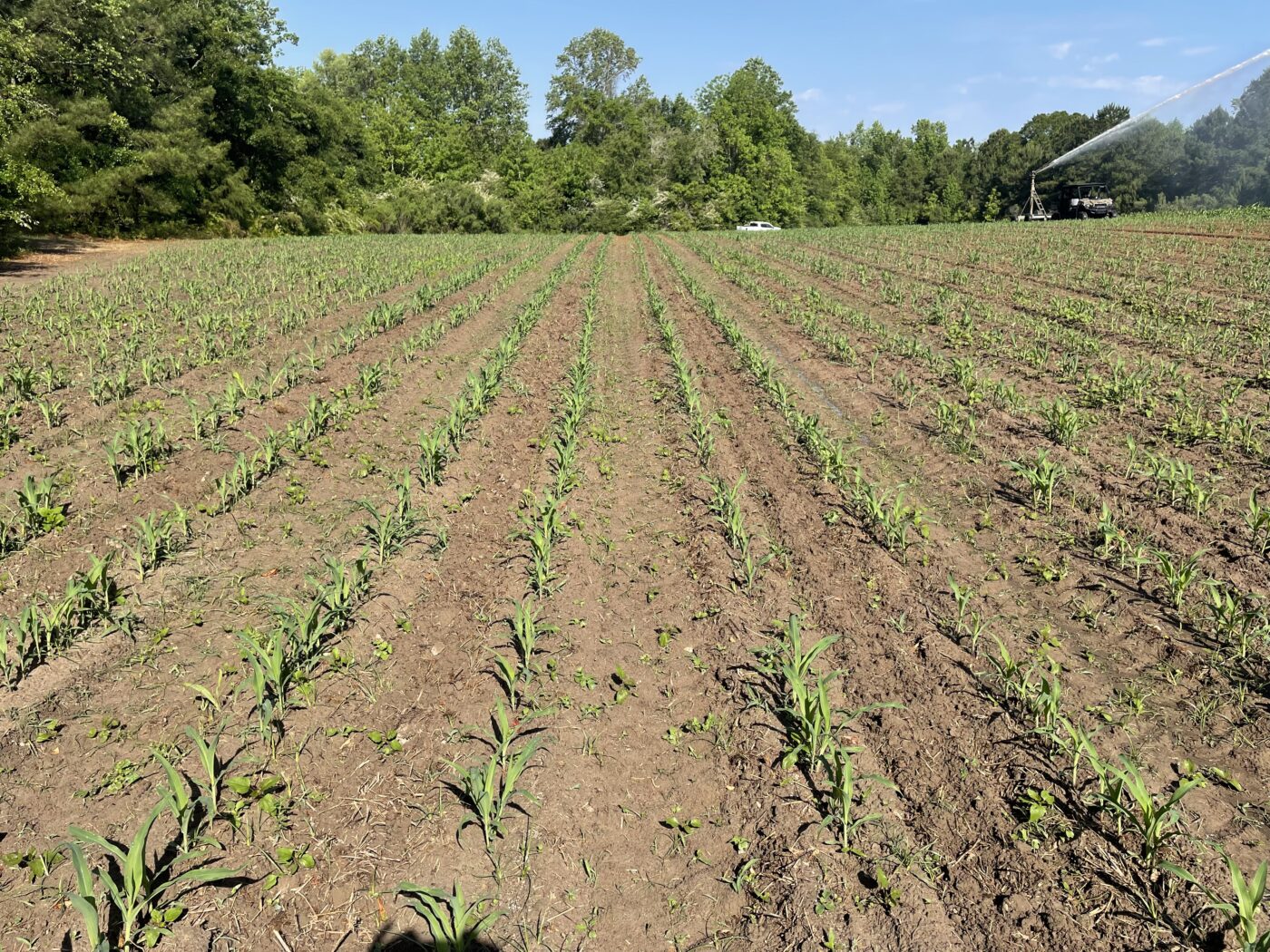
Few sights frustrate a turf professional more than seeing patchy spring grass after weeks of care and reseeding. If your field, course, or landscape fails to fill in evenly, timing is usually to blame. Overseeding—adding new grass seed into existing turf—is one of the most effective ways to restore density and improve performance, but success depends on matching your seeding window to soil temperature, region, and equipment precision. In this guide, you’ll learn exactly when to overseed and how a professional overseeder can transform thin turf into a thick, healthy stand ready for play.
Why Overseeding Matters for Turf Health
Turf renovation is more than routine maintenance—it’s the foundation of healthy, resilient playing surfaces. Overseeding restores bare areas, improves turf density, and suppresses weeds by crowding out invasive species.
A well-executed overseeding program results in:
- Consistent turf coverage for better play and appearance
- Faster recovery from traffic or environmental stress
- Improved disease resistance through a thicker plant stand
Your equipment directly determines how much of that potential you capture. Modern turf renovation tools such as 1st Products turf equipment ensure even seed distribution and precise depth control. When uniform seed-to-soil contact occurs, every seed has the best chance to germinate.
| Key Insight: Uniform seed-to-soil contact is the single strongest predictor of overseeding success. Precision overseeders minimize waste and deliver measurable germination gains. |
Understanding Timing: Soil Temperature Over Calendar Dates
Many turf managers ask, “When’s the best month to overseed?” But following the calendar alone can lead to disappointment. The real answer lies underground: soil temperature is the most reliable trigger for germination.
Cool-Season Grasses
For bluegrass, ryegrass, and fescue, the optimal soil temperature for overseeding is 50–65 °F. When soil consistently holds within this range (measured at 2 inches deep), seed germinates quickly and establishes before winter stress arrives.
- Example: In the Midwest and Northeast, this window typically opens from late August through mid-September. In higher elevations or northern climates, it may arrive in early August or close by late September.
Warm-Season Grasses
Bermudagrass, zoysiagrass, and centipede thrive when soil temperatures are 70–75 °F. Overseeding too early or late in the season can cause poor establishment and wasted seed.
- Example: In the Southeast U.S., late spring (May–June) is ideal. In the southernmost regions, you may push into July, especially for sports fields needing quick recovery.
Regional Timing Cues
- Transition Zone: Timing varies. For cool-season overseeding, aim for when nighttime lows drop below 70 °F but the soil remains warm.
- Southern Climates: For winter color, overseed overseeders with perennial rye in October, just as summer growth wanes.
- USDA Zones: Always cross-check your USDA Plant Hardiness Zone for microclimate variations.
Explore our full range of turf renovation equipment to support your next overseeding window.
Season-by-Season Guide to Overseeding
Selecting the right season for overseeding hinges on your grass type and end goals. Here’s how professionals approach each season for optimal results.
Spring Overseeding
- Best for: Warm-season lawns needing early repair.
- Challenges: Cool-season grasses seeded in spring may face summer heat stress, requiring extra irrigation and protection.
- Pro Tip: If reseeding after winterkill or traffic damage, use a mechanical overseeder to ensure uniform coverage.
Fall Overseeding
- Best for: Cool-season turf throughout the Midwest, Northeast, and transition zone.
- Advantages: Fall soil temps support rapid germination, and reduced weed pressure gives seedlings a head start.
- Application: Golf courses commonly schedule fall overseeding to prepare for spring play, resulting in denser, healthier stands.
Winter Dormant Seeding
- Best for: Regions with predictable freeze-thaw cycles.
- Method: Seed is applied to frozen ground in late winter. As soils thaw in early spring, the seed is “worked in” naturally.
- Caution: Results vary by year and exposure—mechanical slit-seeding in fall is usually more reliable.
Visit our professional overseeders page for equipment built to handle spring, fall, and dormant seeding applications. For more seasonal insights, see our guides on aeration best practices and the importance of seed-to-soil contact.
| Key Insight: Fall overseeding with a calibrated slit seeder consistently produces the thickest stands for spring. Spring overseeding is best for warm-season recovery—not cool-season renovation. |
How Your Overseeder Choice Directly Affects Results
Manual vs Mechanical Methods
Small areas may use handheld spreaders, but professionals rely on mechanical overseeders that slice grooves and drop seed precisely. Equipment from 1st Products professional overseeders delivers accurate seeding depth and consistent coverage.
Slit-Seeding and Calibration
Proper calibration determines success. Depth should stay ¼–½ inch. Too shallow and seed dries; too deep and it fails to emerge. Interchangeable seeder systems let operators match blades and boxes to grass type and soil condition.
Efficiency and Labor Impact
Tests show that precision slit seeders reduce labor by up to 40 percent while improving germination rates compared with broadcast methods.
Commercial:
Compare overseeder models to match your turf type and acreage.
| Key Insight: Calibrate equipment before every project. A ten-minute test pass can prevent costly reseeding later. |
Common Mistakes to Avoid When Overseeding
Even experienced turf managers can fall into familiar traps. Avoid these pitfalls to ensure your overseeding investment pays off.
Overwatering or Underwatering
- Issue: Excessive moisture may rot new seed; too little and germination stalls.
- Best Practice: Keep the soil consistently moist—not saturated—until seedlings are established.
Wrong Seed Type or Rate
- Issue: Using the wrong species or generic blends leads to patchy, mismatched turf.
- Solution: Choose varieties adapted to your region and match seeding rates to manufacturer guidelines and field conditions.
Poor Timing
- Issue: Overseeding outside the optimal soil temperature window reduces success, forcing costly rework.
- Solution: Monitor soil temperature, not just the calendar.
Ineffective Seed-to-Soil Contact
- Issue: Surface-seeded grass often washes away or dries out.
- Solution: Use a mechanical overseeder or slit seeder for uniform penetration. Learn more in our guide on seed-to-soil contact importance.
| Key Insight: Skipping calibration or ignoring soil temperature are the two most common overseeding mistakes among professionals. Consistent moisture and equipment adjustment close the gap. |
FAQ: Overseeding Timing, Tools, and Success
What is the best temperature for overseeding turf?
The ideal soil temperature depends on your grass type. For cool-season grasses, target 50–65 °F at a 2-inch depth. For warm-season varieties, aim for 70–75 °F. These ranges optimize germination and early growth. Always measure soil, not just air temperature, for best results.
Can I overseed in spring and fall?
Yes, but outcomes vary. Fall is preferred for cool-season turf, as it provides the best soil warmth and reduced weed competition. Spring overseeding helps repair warm-season turf but can stress cool-season grasses as the weather heats up. In the South, fall overseeding with perennial rye ensures winter color and playability.
What equipment creates the best seed-to-soil contact?
A mechanical slit seeder or dedicated overseeder delivers the most consistent seed-to-soil contact. These machines slice grooves and drop seed at a precise depth, which is critical for germination and durability. Broadcast spreaders and hand methods are less reliable for professional-grade turf.
How soon should I fertilize after overseeding?
Apply a starter fertilizer (high in phosphorus for root growth) at seeding or immediately after. Avoid high-nitrogen applications until seedlings are established. Follow university extension guidelines for your region and always calibrate spreaders to prevent runoff.
Do I need to aerate before overseeding?
Aeration before overseeding is highly recommended, especially if the soil is compacted or heavily trafficked. Aeration opens the soil, improves water infiltration, and increases seed-to-soil contact. For best results, combine core aeration with a precision overseeder.
Strengthen Your Spring Turf with Timing and Tools
Successful overseeding is all about timing and execution. Monitor your soil temperature, select the right grass seed for your region, and use a precision overseeder to maximize seed-to-soil contact. Fall typically offers a wider germination window for cool-season turf, while spring is best for warm-season renovation. The right equipment not only increases germination rates but also reduces labor and seed waste—key outcomes for every turf professional.
Ready to deliver stronger, greener turf this season? Request a quote for a 1st Products overseeder and see how precision tools elevate your results.