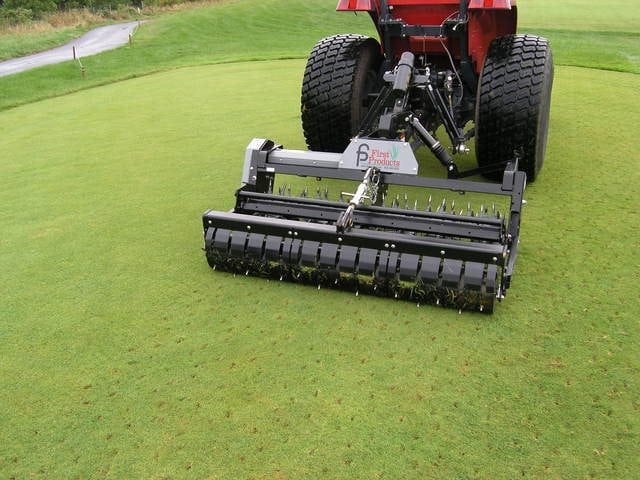
After harvesting sod, every day matters. The field sits empty, generating no revenue while waiting for the next crop to establish. Traditional post-harvest practices can extend this window for weeks, especially when soil compaction slows sod regrowth and delays the return to productivity. The AGRI-vator changes this timeline by preparing fields in a single pass while creating soil conditions that accelerate establishment and development.
Sod regrowth speed directly impacts farm profitability. Faster turnaround means more crop cycles per year, better utilization of irrigation and inputs, and improved cash flow throughout the growing season. The AGRI-vator achieves this by combining soil fracturing, seedbed preparation, and surface conditioning in one efficient operation. Understanding how this equipment speeds recovery requires looking at what happens to soil during harvest and what new growth needs to establish quickly.
What Sod Harvest Does to Your Soil
Sod harvesting extracts more than just turf. The cutting blades remove a thin layer of roots, thatch, and topsoil along with the grass. This process, repeated across hundreds of acres multiple times per season, creates specific conditions that either support or hinder the next crop.
Compaction develops from equipment traffic during harvest operations. Cutters, loaders, and transport vehicles all exert pressure on the field surface. According to research from Purdue University, soil compaction significantly affects the establishment and tensile strength of sod during production. Even moderate compaction restricts water infiltration and root penetration, slowing early growth when new plants need resources most.
Surface irregularities appear after harvest, particularly where equipment turned or where soil moisture varied. Low spots can pool water, creating conditions that delay planting or cause uneven emergence. High spots dry faster and may not maintain adequate moisture for consistent germination. These variations compound into quality issues that persist through the entire growing cycle unless addressed during field preparation.
Soil structure degradation occurs gradually as repeated harvests remove organic matter and disturb the natural aggregation that supports healthy root development. Fields that don’t receive proper conditioning between crops lose tilth over time, requiring increasingly intensive intervention to maintain production standards.
Residual material from previous crops needs integration into the soil. Small pieces of leftover sod, root fragments, and organic debris should decompose and contribute to soil health rather than interfering with new establishment. Proper field preparation manages this material while creating optimal conditions for fresh planting.
How the AGRI-vator Prepares Fields for Rapid Regrowth
The AGRI-vator tackles all these post-harvest challenges in a single operation. Its vibrating tines penetrate up to 6 inches into the soil profile, fracturing compacted layers while leaving the surface structure intact. This deep fracturing breaks up the dense zones that restrict sod regrowth without creating the rough surface that multiple tillage passes produce.
The vibration frequency, over 1,000 cycles per minute, creates thorough soil fracturing that improves both vertical and horizontal porosity. Water moves down into the root zone rather than running off or pooling on the surface. Air reaches deeper into the profile, supporting the aerobic microbial activity that drives nutrient cycling and organic matter decomposition. These conditions accelerate root development as new grass establishes.
Available in 6-foot, 8-foot, and 12-foot widths, the AGRI-vator matches the scale of commercial sod operations. The wider models allow farms to cover large acreage quickly, minimizing the time fields spend in preparation rather than production. This efficiency matters when weather windows are limited or when multiple fields need attention simultaneously.
The machine levels surface irregularities while fracturing subsurface compaction. The vibrating action smooths minor variations without requiring separate grading operations. This dual benefit saves both time and equipment costs while creating the uniform surface that supports even emergence and consistent growth across the entire field.
Residual material integration happens naturally as the tines work through the soil. Rather than leaving debris on the surface where it can interfere with planting, the AGRI-vator incorporates organic matter into the profile where decomposition processes can convert it into available nutrients. This natural recycling improves soil health while eliminating a separate cleanup step.
The 30 Percent Faster Regrowth Advantage
Field trials and commercial operations consistently demonstrate faster sod regrowth on fields prepared with the AGRI-vator. The improvement typically ranges from 20 to 30 percent compared to fields receiving only conventional tillage or minimal preparation. This acceleration shows up in multiple ways throughout the establishment period.
Germination uniformity improves because soil moisture distribution is more consistent. The fracture zones created by vibrating tines allow water to move laterally through the profile, reducing dry pockets that delay emergence. Seeds in all areas of the field access adequate moisture rather than only those in naturally wetter zones.
Root development accelerates in properly fractured soil. According to NC State Extension research, soil conditions during establishment significantly affect sod tensile strength and overall quality. Roots encounter less resistance as they expand, allowing faster development of the dense root mat that defines quality sod. This early advantage persists through the entire growing cycle.
Nutrient availability increases as soil oxygen levels rise. The aerobic conditions in fractured soil support beneficial microbial populations that make nitrogen, phosphorus, and other nutrients more accessible to developing plants. Better nutrient cycling means applied fertilizers work more efficiently, potentially reducing input costs while supporting faster growth.
Water infiltration rates double or triple compared to compacted soil. This improvement matters most during establishment when consistent moisture determines success or failure. Fields can be irrigated more efficiently because water moves into the root zone rather than running off the surface. During natural rainfall, the soil absorbs and stores moisture instead of shedding it, extending the time between irrigation cycles.
The combined effect of these improvements is visible within weeks of planting. Fields prepared with the AGRI-vator show more vigorous growth, better color, and denser canopy development compared to conventionally prepared areas. This early advantage translates directly into earlier harvest readiness, increasing the number of profitable crop cycles the farm can complete each year.
Calculating the Revenue Impact
Faster sod regrowth creates measurable financial benefits that extend beyond reduced field preparation costs. The primary gain comes from increased production capacity. A farm managing 100 acres that reduces turnaround time by even 10 days can potentially add an additional crop cycle every two to three years. At typical sod values, this additional production represents significant revenue.
Labor efficiency improves when one machine handles multiple field preparation tasks. Farms using conventional methods often employ a tractor for tillage, another for leveling, and additional equipment for residue management. The AGRI-vator consolidates these operations, reducing both equipment hours and operator time. The labor savings accumulate across dozens or hundreds of acres prepared annually.
Irrigation efficiency gains reduce water costs throughout the growing season. Better infiltration and moisture retention mean less total water applied to achieve the same growth results. In regions where water costs are substantial or availability is limited, this efficiency directly impacts operating costs and production capacity.
Fuel consumption drops when a single pass replaces multiple operations. The AGRI-vator completes field preparation in one trip across each acre rather than the three or four passes that separate tillage, leveling, and conditioning typically require. For large operations burning hundreds of gallons of diesel during field prep, this consolidation generates real cost savings.
Equipment longevity improves when fewer machines run fewer total hours. The AGRI-vator handles the demanding soil conditioning work, but it’s built for this purpose. General-purpose tractors and implements working extended hours on compacted soil experience faster wear. Dedicating the right equipment to the task protects the entire machinery fleet and extends service intervals.
The return on investment calculation should include both direct savings and revenue acceleration. Most sod farms with 50 or more production acres find that the AGRI-vator pays for itself within two to three years through a combination of reduced field prep costs and increased crop cycles. The equipment’s durability ensures it continues generating value for many years beyond payback.
Integrating the AGRI-vator into Post-Harvest Operations
Successful implementation starts with timing. The AGRI-vator works most effectively when soil moisture is moderate, similar to ideal tillage conditions. Working immediately after harvest, before the field dries excessively, provides good results. If weather creates delays, light irrigation can restore workable moisture levels without waiting for natural rainfall.
Depth settings adjust based on the severity of compaction and the intended planting method. Most operations run the tines at 4 to 6 inches deep, sufficient to fracture the compacted layer without unnecessarily disturbing deeper soil. Shallower settings work for fields harvested under good conditions with minimal traffic compaction. Deeper treatment benefits fields that experienced wet-harvest compaction or have accumulated density from multiple crop cycles.
Speed affects coverage density and fracturing effectiveness. Operating at 3 to 5 miles per hour provides adequate tine penetration and vibration time for thorough soil conditioning. Faster speeds reduce coverage, while slower speeds don’t significantly improve results and reduce productivity. Finding the right speed for your soil conditions typically happens during the first few acres of operation.
Combining AGRI-vator treatment with other practices maximizes the investment. Applying starter fertilizer after conditioning but before planting ensures nutrients are available as new growth begins. Broadcasting seed onto the freshly prepared surface provides excellent seed-to-soil contact. The smooth surface the AGRI-vator creates allows even seed distribution without requiring additional preparation.
Follow-up irrigation scheduling capitalizes on improved infiltration. Fields prepared with the AGRI-vator can often use shorter, more frequent irrigation cycles rather than longer, less frequent applications. This approach maintains consistent soil moisture in the root zone while reducing runoff and water waste. The improved root development that results further accelerates sod regrowth and enhances overall crop quality.
Equipment maintenance requirements are straightforward. Tines experience wear in abrasive soils and should be inspected regularly and replaced when shortened by more than an inch. Drive belts follow normal service intervals, and bearing systems require periodic lubrication per manufacturer specifications. Most operations report minimal unexpected downtime when basic maintenance schedules are followed.
Beyond Sod Production: Other AGRI-vator Applications
While sod farms represent the primary market for the AGRI-vator, other operations benefit from its capabilities. Sports complexes managing large turf areas use the equipment for field renovation and soil conditioning between seasons. The ability to treat compacted soil without creating the disruption that traditional tillage causes makes it ideal for athletic field recovery after heavy use.
Golf courses employ the AGRI-vator for fairway and rough conditioning. The machine prepares areas for overseeding or handles soil improvement projects without closing the course. The 6-foot model fits through most maintenance equipment paths, while the wider versions handle open areas efficiently.
Landscape contractors use the equipment for site preparation on commercial projects. Compacted soils from construction activity respond well to AGRI-vator treatment, creating conditions that support successful turf establishment. The machine’s ability to level while fracturing soil reduces the equipment required on-site and speeds project completion.
Agricultural operations have adapted the AGRI-vator for food plot preparation and pasture improvement. The same soil conditioning that accelerates sod regrowth also benefits other plantings. Farmers preparing seed beds for perennial forages or establishing wildlife food plots find the equipment creates ideal soil conditions in a single pass.
For details on how no core aeration principles apply to smaller turf areas, see our article on how the AERA-vator eliminates core cleanup. The same vibrating tine technology scaled for different applications delivers consistent benefits across diverse turf management scenarios.
Real Results from Commercial Sod Operations
Sod producers across the Southeast report consistent improvements after integrating the AGRI-vator into their operations. One Georgia farm managing 200 acres noted they reduced their average turnaround time from 16 days to 11 days between harvest and replanting. This five-day improvement allowed them to add two additional crop cycles over a three-year period, substantially increasing revenue without expanding acreage.
A Florida operation dealing with heavy clay soils struggled with compaction that slowed establishment and reduced overall sod quality. After implementing AGRI-vator treatment between each crop cycle, they documented 25 percent faster root mat development and reported stronger sod at harvest. The improved quality allowed them to access premium market segments that had previously been difficult to serve consistently.
Multiple farms have eliminated separate tillage and leveling operations entirely, relying exclusively on the AGRI-vator for post-harvest field preparation. These operations report labor savings of 40 to 60 percent in field prep while achieving equal or better results than their previous multi-pass methods. The time and cost savings redirect resources to other aspects of production or simply reduce operating expenses.
Accelerate your sod production with field preparation that delivers measurable results. Learn more about the AGRI-vator or contact 1st Products to schedule a demonstration on your farm. See firsthand how vibrating tine technology speeds sod regrowth and increases your annual crop capacity.